

The Layered Approach to Biophilic Interior Design: How Natural Elements Improve Your Home Without Turning It Into a Jungle

Biophilic interior design isn't just about adding plants — it's a layered approach to bringing natural elements into interiors that improves how you feel at home. This article shows homeowners how to choose which natural elements (plants, materials, light, water) deliver the biggest wellness and aesthetic payoff for their specific room, budget, and lifestyle, with practical trade-offs on maintenance, humidity, and space.
Biophilic vs. Scandinavian Design: Why Layering Natural Elements Matters More Than a Style
What biophilic principles actually mean in practice
Most people hear “biophilic interior design” and picture a living room with a dozen potted plants, a jute rug, and a wooden coffee table. That’s not wrong — it’s just incomplete. Biophilic design is built on three core principles: nature in (actual plants, water features, natural light), nature near (views of outdoors, greenery within arm’s reach), and nature of (materials, patterns, and colors that echo the natural world). A Scandinavian-style room with one monstera in a corner satisfies only the first principle. A biophilic approach layers all three, which is why you might see natural stone in a bathroom alongside a skylight and eucalyptus growing above the sink — each element works on a different level.

Scandinavian design as a subset, not the full picture
Scandinavian design became so popular for bringing nature indoors that it’s easy to mistake it for biophilic design itself. The two overlap because both favor light woods like ash and pine, neutral palettes, and clean lines. But Scandinavian design is primarily a visual style — it tells you what the room should look like. Biophilic interior design is a functional framework — it tells you why each element belongs there.
A light oak dining table in a white kitchen could be purely Scandinavian. That same table becomes biophilic when you pair it with a hanging pendant that mimics a natural canopy, stone tiles underneath for texture and thermal comfort, and a small herb garden on the windowsill. The style remains calm and uncluttered; the layers simply add sensory depth.
When to prioritize biophilic layers over style alone
If you’re working with a specific room where daily wellbeing matters — say, a home office or bedroom — lean into biophilic layers first. natural light interior design elements like circadian lighting, textured wood surfaces, and even a living wall can measurably improve focus and sleep quality regardless of whether the rest of your house follows Scandinavian, mid-century, or farmhouse aesthetics.
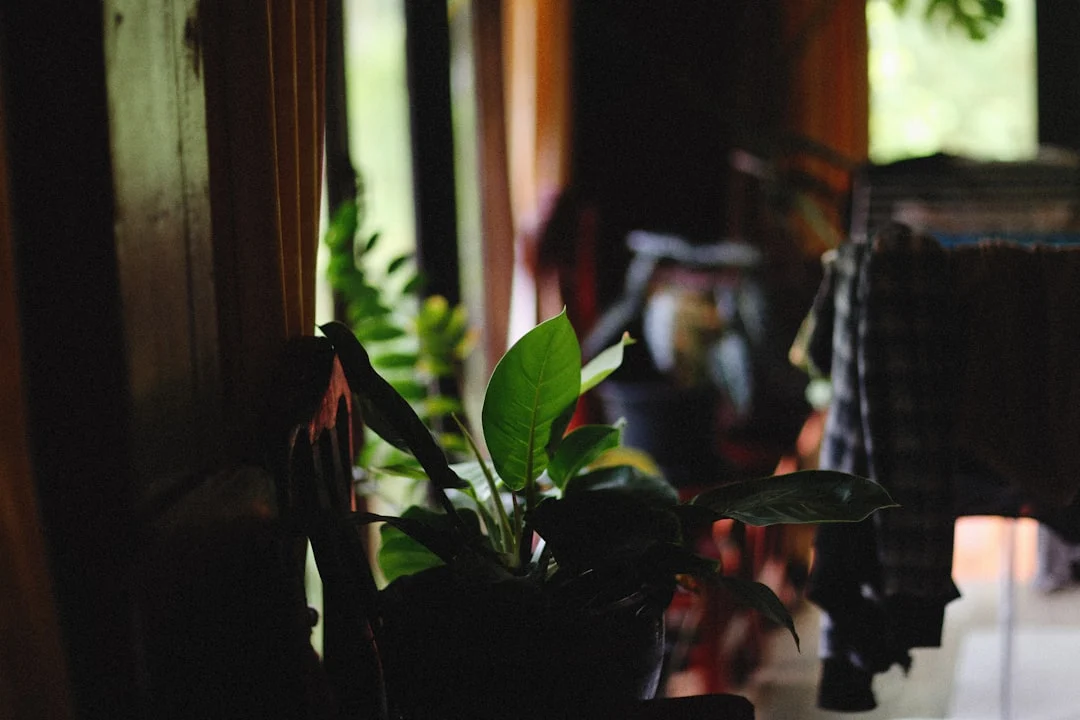
For smaller spaces where visual clutter is a real concern, prioritize materials that age gracefully rather than adding more plants. FSC-certified wood, rattan, and terrazzo hold up well in low-light conditions and don’t require the humidity control that tropical foliage demands. You can still bring nature indoors without needing 20 different species or a watering schedule.
The key trade-off is maintenance versus impact. A few high-impact layers — one statement plant like a fiddle-leaf fig, natural stone in the bathroom, and wood accents throughout — deliver most of the stress-reduction and air-quality benefits without turning your home into a jungle. Start with those, then add more only if you want deeper sensory richness.
Which Natural Elements Deliver Real Wellness Benefits — And Which Are Just Decoration
If you’ve spent any time scrolling through interior design feeds, you’ve probably noticed the biophilic aesthetic: lush greenery everywhere, warm wood tones, and a general sense that your home is supposed to feel like it’s breathing. The problem isn’t that these elements are wrong — it’s that they’re often applied as decoration rather than function. A potted fern on a shelf looks lovely, but a living wall in your kitchen actually improves air quality. A wooden dining table adds warmth, while a terrazzo countertop provides tactile grounding that reduces stress.
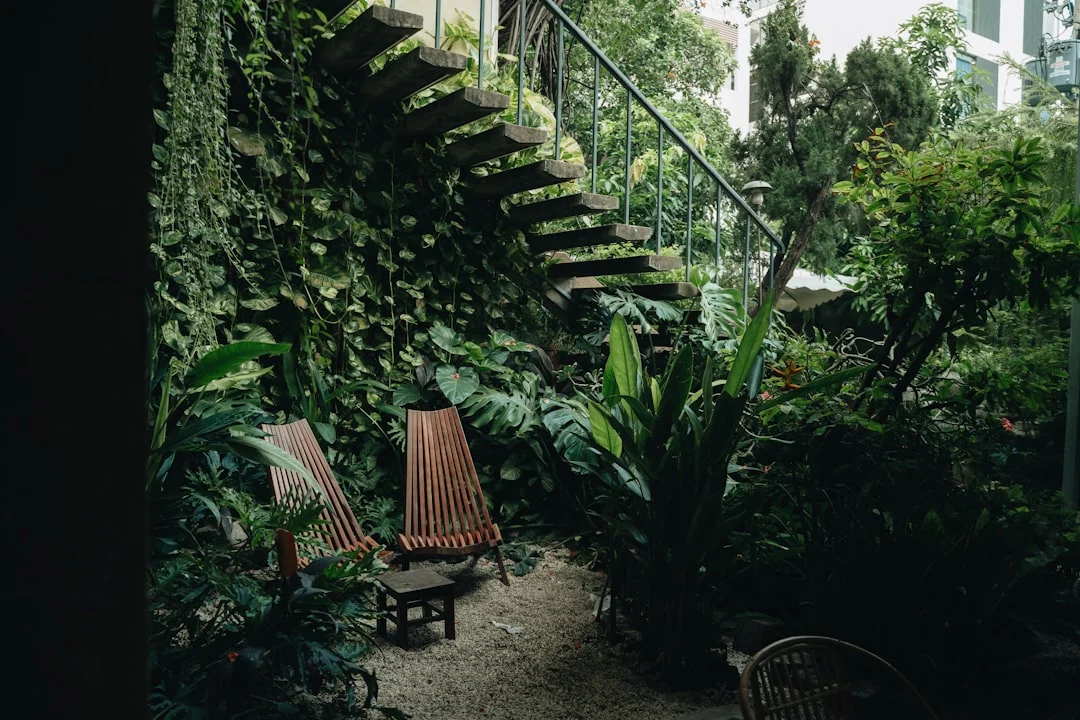
The key is understanding which natural elements deliver measurable benefits and which ones are primarily aesthetic choices. Biophilic interior design works best when you layer these intentionally rather than treating every surface as an opportunity to add another plant or material sample.
Living Walls and Vertical Gardens for Air Quality
Living walls — also called vertical gardens — deliver some of the most visible biophilic benefits, but their real value goes beyond looking impressive. Research on indoor air quality shows that plants like pothos, spider plants, and peace lilies can remove volatile organic compounds (VOCs) from household air, including formaldehyde from new furniture and benzene from paints and cleaning products.
For most homeowners, the decision comes down to maintenance versus impact. A living wall in a high-traffic area like your kitchen or home office will have a more noticeable effect on air quality than scattered potted plants, but it requires either a built-in irrigation system or daily attention depending on the mounting method. If you’re renting or don’t want permanent installations, consider starting with one statement living wall feature rather than committing to full-room coverage.
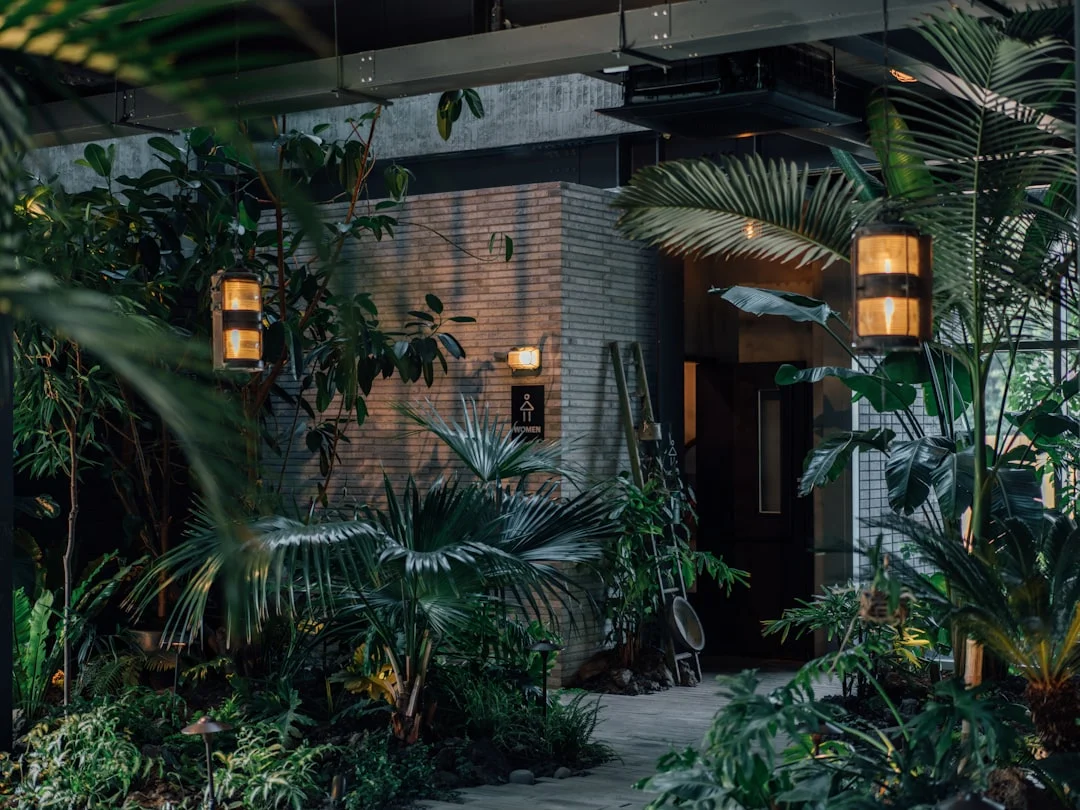
The trade-off: humidity. Living walls add moisture to your space, which is beneficial in dry climates but can become problematic in already humid environments like coastal homes or bathrooms without proper ventilation. If you’re adding a living wall to a small apartment, you may need a dehumidifier alongside it — another hidden cost that affects your biophilic interior design budget.
Natural Light and Circadian Lighting for Sleep
Perhaps the most overlooked element in bringing nature indoors is light itself. Natural light doesn’t just brighten a room — it regulates your circadian rhythm, which directly impacts sleep quality, mood, and energy levels throughout the day. This is where biophilic bedroom decor gets particularly meaningful: positioning beds to capture morning light and reducing artificial lighting in the evening can make a measurable difference in how you feel.
If your home has limited natural windows or you’re working with a north-facing apartment, circadian lighting systems that mimic the color temperature progression of daylight (cool blue-white in the morning, warm amber in the evening) offer an alternative. These are increasingly accessible and can be integrated into existing fixtures without major renovation.
The decision point here is simple: does your room get enough direct natural light during peak hours? If yes, you’re already getting one of the strongest biophilic benefits for free. If no, invest in either better window treatments that maximize available light or a circadian lighting solution before adding more plants or materials.
Wood, Stone, and Terrazzo for Tactile Grounding
Tactile grounding — the physical sensation of touching natural materials — is one of the least discussed but most effective biophilic design benefits. When you run your hand across FSC-certified wood or feel the cool surface of stone, your nervous system responds differently than it does with synthetic alternatives. This isn’t woo-woo; it’s sensory psychology that reduces stress and improves focus.
Wood remains the most versatile biophilic material for homes because it works in nearly every climate and room type. Hardwood floors, wooden cabinetry, and rattan or wicker furniture all contribute to tactile grounding without overwhelming a space. The key is choosing wood tones that complement your existing palette rather than defaulting to whatever’s trendy.
Stone and terrazzo work particularly well in areas where you want durability alongside beauty — kitchens, bathrooms, and entryways. Terrazzo has experienced a resurgence as a biophilic material because it combines natural stone chips with resin or cement binders, creating surfaces that feel both organic and refined. The downside: stone requires sealing to prevent staining, which adds maintenance complexity.
Water Features and Their Hidden Maintenance Costs
Water is the most dramatic biophilic element to bring indoors, but it’s also the one with the steepest learning curve. A tabletop fountain in your living room creates both visual movement and auditory masking (the sound of water drowning out distracting noises), which can improve concentration for remote workers.
However, water features come with hidden costs that many homeowners discover after installation. There’s the initial purchase price, but also electrical requirements (most water features need power), regular cleaning to prevent algae buildup, and in some cases, plumbing connections for larger installations. A small indoor fountain might cost $200 upfront but require you to buy distilled water additives every few weeks to keep it running cleanly.
The recommendation: start small. A biophilic bathroom idea that works particularly well is using a small tabletop fountain near your sink or shower area, where humidity and sound benefits overlap. For larger spaces, consider whether a water feature will actually improve your daily experience or just add another thing to maintain. The best biophilic interior design decisions are the ones you don’t have to think about.
How to Prioritize: A Simple Decision Framework
Before deciding which natural elements to add, ask yourself three questions:
- What’s your primary goal? If you’re looking for stress reduction, prioritize tactile materials like wood and stone. For better sleep, focus on light. For air quality, plants and living walls.
- What’s your space and climate? Small apartments benefit more from vertical solutions (living walls) than horizontal ones (furniture). Humid climates need moisture-managing water features; dry climates can accommodate them easily.
- How much maintenance are you willing to do? Every biophilic element has a maintenance cost — whether it’s watering plants, cleaning stone surfaces, or replacing light bulbs in circadian systems. Choose elements that match your actual lifestyle, not your aspirational one.
The best approach to biophilic interior design isn’t choosing between plants, materials, light, and water — it’s layering them deliberately so each element serves a specific purpose in your home. Start with what matters most to you, add one or two supporting elements, and build from there. You don’t need every natural material in your house to have a biophilic space; you just need the right ones for your life.
How Many Plants Do You Actually Need to Feel the Biophilic Effect?
The biophilic interior design movement has created a paradox: more people want natural elements in their homes, but many feel paralyzed by the gap between a plant-filled Pinterest board and the reality of an apartment with two windows. The truth is that biophilic design doesn’t require forest density. It requires strategic presence.
Research on biophilic principles suggests that humans respond to nature through three channels: direct contact (plants, water), indirect contact (natural materials, organic patterns in artwork and textiles), and experiential contact (light, air movement, seasonal changes). Plants are the most visible form of direct contact, but they’re only one piece of the puzzle. Understanding which channel matters most for your space helps you decide whether adding a fourth plant to the coffee table actually improves your home or just adds another watering chore.
The difference between visual greenery and functional biophilic presence
Visual greenery is decorative. It looks nice in photos and signals that someone cares about plants, but it doesn’t necessarily change how you feel when you move through the room. Functional biophilic presence does something to your environment—improving air quality, softening echoes, filtering harsh light, or providing a focal point that grounds your attention.
Consider two scenarios: you have three trailing pothos plants on a shelf near your workspace versus one larger snake plant in the corner with its upright leaves catching morning light. The pothos creates visual density and might improve air quality marginally, but the snake plant’s scale and placement do more to establish biophilic presence because it reads as a living element of the room rather than decoration. For most people, five well-placed plants that serve different functions—air purification in the bedroom, light filtering in the kitchen, visual anchoring in the living room—deliver more benefit than eight plants clustered in one corner.
Small apartments and renters: fewer plants, smarter placement
If you’re renting or living in a space under 800 square feet, you don’t need to scale down your biophilic aspirations; you just need to be intentional about where each plant lives. The most effective approach is vertical layering rather than floor coverage: place one tall statement plant (a fiddle leaf fig or olive tree) near the largest window to establish a natural focal point, add medium-height plants on existing furniture surfaces to create mid-level greenery, and use trailing varieties from shelves or hanging installations to fill the upper plane.
This three-layer arrangement mimics how plants appear in nature—at the ground level, understory, and canopy—and creates the biophilic effect without requiring square footage. For renters specifically, consider that many biophilic benefits come from bringing nature indoors through materials as much as through living plants. A wooden dining table, rattan storage baskets, or a stone accent piece can carry significant biophilic weight even if your plant count stays modest.
Low-light plant options that won’t become a chore
The most common reason people abandon their biophilic efforts is not lack of interest but lack of suitable plants for their conditions. If you’re decorating north-facing rooms, ground-floor apartments, or spaces with limited window exposure, choose species whose biophilic presence doesn’t depend on daily attention.
Snake plants, ZZ plants, and pothos are the classic low-light choices because they tolerate irregular watering and adapt to indoor conditions that would stress most houseplants. The cast iron plant—literally named for its durability—thrives in corners where other species might languish. For a more sculptural option, consider a rubber plant with broad leaves that catches whatever light is available and creates visual weight even when the room feels dim.
The key metric isn’t how many plants you have but whether each one stays healthy enough to contribute to the biophilic effect. A single thriving large plant in a dark corner communicates nature more effectively than three struggling small ones on a sunny sill. When evaluating your own space, ask: does this plant look alive and purposeful? If the answer is yes, it’s doing its job whether you have one or twenty.
Choosing Biophilic Materials That Age Well Without Becoming a Maintenance Nightmare
The problem with biophilic home decor is that many homeowners mistake it for an excuse to fill every surface with something green. A living wall design sounds beautiful in the magazine, but unless you are willing to water it daily and trim back overgrowth weekly, it will become a source of stress rather than a relief from it. The same goes for natural elements in interiors — they need to earn their place by lasting longer than they demand your attention.
FSC-Certified Wood vs. Rattan and Wicker in Humid Climates
When you are selecting wood and stone in homes, the climate of where you live matters more than most guides acknowledge. FSC-certified wood — whether it is oak flooring, walnut cabinetry, or a beech dining table — ages gracefully in nearly any environment. The certification tells you something about sourcing sustainability, but what matters for interior design is how the material responds to seasonal humidity shifts. Solid hardwood expands and contracts, which can mean creaking boards in winter when your heating dries out the air, but it does not rot, warp, or attract pests if you keep it sealed properly.
Rattan and wicker, by contrast, bring a different kind of warmth to biophilic bedroom decor and living spaces. They are lightweight, breathable, and naturally beautiful in their organic textures. But in humid climates — think coastal homes, bathrooms, or kitchens — they can develop mold if you do not wipe them down occasionally and allow airflow around them. A rattan chair in a dry Colorado home might last decades without issue; the same chair in a New Orleans apartment could start showing signs of mildew after a particularly wet summer.
Here is a simple rule: choose solid wood for high-traffic, high-moisture areas like entryways and kitchens. Choose rattan or wicker for bedrooms, living rooms, and spaces where you can control humidity with ventilation or dehumidifiers. Neither is wrong — they are just different commitments.
Stone and Terrazzo for Bathrooms and Kitchens
Biophilic bathroom ideas have exploded on social media, and it is easy to get carried away with the marble countertop or the stone sink. But not all natural stone performs equally in wet environments. Marble is porous and can stain if you do not seal it regularly — a coffee spill left on an unsealed marble counter for even a few minutes will leave a permanent mark. Granite, by comparison, is denser and more resistant to staining without frequent maintenance.
Terrazzo has become one of the most practical choices in biophilic interior design materials that age well, precisely because it is not a single material but a composite. Small chips of marble, quartz, or glass suspended in a cement or resin base means that when terrazzo does show wear — and it will, after years of foot traffic — the surface looks worn rather than damaged. A scratch in terrazzo is barely noticeable; a scratch in solid marble can be glaring.
If you want to bring stone into your kitchen without turning your countertops into a maintenance project, consider honed finishes over polished ones. Polished stone looks stunning but shows every fingerprint and water spot. Honed stone has a matte surface that hides daily use more gracefully, and it develops a richer patina over time rather than looking scuffed.
Which Natural Finishes Resist Wear Without Frequent Replacement
The real test of biophilic design benefits for mental health at home is whether the materials you choose reduce decisions — or create new ones. A natural finish that wears well means you spend less time worrying about it and more time enjoying the space.
- Oil-finished hardwood floors require re-oiling every few years but can be spot-repaired without refinishing the entire room.
- Lacquered finishes last longer between treatments but are harder to repair locally if damaged.
- Linoleum and cork — both natural materials often overlooked in favor of wood and stone — resist water and wear better than you might expect, making them ideal for kitchens and bathrooms where biophilic bedroom decor ideas meet practical living.
- Natural paint finishes (clay plaster, lime wash) develop character over time rather than showing damage. They are forgiving on walls and do not require the same level of upkeep as high-gloss or semi-gloss synthetic paints.
The key insight that separates a curated biophilic interior from one that feels chaotic is intentionality in material selection. You do not need every room to have plants, natural light, and organic textures all at once. What matters more is choosing the materials that suit your climate, your routine, and your tolerance for maintenance — and then committing to them fully.
Common Biophilic Design Trade-Offs: Humidity, Pests, Light, and Space You Shouldn’t Ignore
Bringing nature indoors sounds simple in theory. A few houseplants, a wooden coffee table, maybe a rattan chair — that’s biophilic interior design, right? The reality is messier. Natural elements don’t just sit quietly in your home; they react to humidity, soil, light cycles, and the living ecosystem you’ve created around them. Understanding these trade-offs before you commit is what separates a curated biophilic space from one that feels like it’s slowly taking over.
When to Skip the Living Wall (and What to Do Instead)
A vertical garden or living wall design sounds like the ultimate biophilic investment. It adds greenery without using floor space, transforms a blank wall into a statement piece, and delivers real air-quality benefits. But it also requires consistent watering, adequate light, and occasional maintenance that most homeowners underestimate.
If you’re considering a living wall in a north-facing room or an apartment with limited natural light, the plant selection narrows considerably. Ferns and pothos survive, but they won’t thrive without supplemental lighting — which adds to your energy bill and can clash with biophilic bedroom decor if the fixtures are visible. The same applies to humid climates: in a hot, moist region, living walls develop algae faster and need more frequent cleaning than you might expect.
For most people starting out, the better move is a tiered approach. Use 3-4 large statement plants (like fiddle leaf figs or monstera) to anchor your biophilic home decor, then layer in smaller pots at varying heights. Add natural elements like FSC-certified wood shelves and stone planters, and you get the layered look of a living wall without the installation cost or ongoing maintenance headaches.
Pest-Friendly Biophilic Choices for Kitchens and Bedrooms
Plants bring life into your home. They also bring tiny guests — gnats, aphids, fungus midges — and if you’re not mindful about material selection, those pests can spread beyond the plant pots into your wider biophilic interior design.
Kitchens are particularly tricky. The humidity from cooking, combined with overwatered herbs and potted plants near food prep areas, creates a breeding ground for fungus gnats. The solution isn’t to abandon greenery; it’s to choose strategically. Snake plants, spider plants, and aloe vera tolerate dry conditions better than tropical varieties like peace lilies or calatheas. For biophilic bathroom ideas, consider a humidity-loving fern in a sealed glass terrarium — it contains the moisture while adding that lush, jungle-like feel without inviting pests into your main living areas.
Bedrooms respond differently to biophilic design benefits for mental health at home, and pest management matters here because you’re sleeping near your plant collection. Avoid overwatering before bed, use a soil cover layer (like decorative pebbles or cork bark) to prevent fungus gnats from emerging, and choose larger pots with better drainage. A single well-chosen tree-level plant — like a rubber plant or olive tree in a potting mix that’s allowed to dry slightly between waterings — delivers the calming effect without the maintenance.
If you’re also considering natural materials beyond plants, be aware that some biophilic interior design materials attract different pests. Wicker baskets and rattan furniture can harbor spider mites or dust mites if not sealed properly. Stone, terrazzo, and treated wood are more pest-resistant, making them better choices for high-traffic areas.
Budget Tips for Starting Without a Full Renovation
How to start biophilic interior design on a budget? The answer is simpler than most people expect. You don’t need to replace your kitchen cabinets with reclaimed wood or install a skylight to get the benefits of bringing nature indoors.
The single highest-impact, lowest-cost change is natural light interior design optimization. Rearrange furniture to capture morning light where you work, add sheer curtains instead of heavy drapes, and consider biophilic lighting that mimics circadian rhythms. A quality LED bulb set on a timer can cost less than $30 and dramatically improve how your space feels — particularly for remote workers who spend hours indoors.
For furniture and decor, prioritize materials that age well rather than buying trendy pieces you’ll replace in three years. Biophilic interior design materials like solid wood (especially oak or walnut), natural stone coasters, and woven textiles develop character over time. They also tend to pair better with plants because they don’t compete visually — a rattan chair looks good next to a fern; a bright plastic one doesn’t.
One common mistake homeowners make is buying too many small plants instead of investing in fewer, larger specimens. A single large plant like a fiddle leaf fig or olive tree costs more upfront but delivers visual impact that rivals several smaller ones. This approach works especially well for small apartment biophilic design ideas without renovation — you get the layered look without the clutter.
Consider starting with one room at a time. Pick a space where you spend the most hours (bedroom, living room, or home office) and apply biophilic principles there first: natural light, one statement plant, wood accents, and perhaps a stone or terrazzo element. Once that feels sustainable — in terms of maintenance, budget, and aesthetic — expand to adjacent rooms. This phased approach means you’re not overwhelmed by the choice between plants, natural materials, water features, and biophilic lighting all at once.
Start with one room: pick the natural element — plants, wood, light, stone, or water — that addresses your biggest pain point (humidity, low light, clutter, or maintenance), and layer from there.
Related posts:

Tagged: Biophilic Home Decor, Biophilic Interior Design, Bringing Nature Indoors, Home Decor, Living Wall Design, Natural Elements In Interiors, Natural Light Interior Design, Plants For Biophilic Design