

Sustainable Home Decor That Doesn’t Look Rustic: A Modern Guide to Eco-Friendly Interiors

Open with the tension most homeowners feel when shopping sustainably: eco-friendly decor often skews boho, rustic, or overly natural. Note that sustainable doesn't have to mean sacrificing contemporary aesthetics, and preview how this guide covers style-matching, budget trade-offs, and real certifications (not just greenwashing).
Sustainable Home Decor: Why It Doesn’t Have to Mean ‘Boho’
Walk into most eco-friendly home decor stores and you’ll find a familiar scene: chunky jute rugs, handwoven baskets stacked by the door, linen curtains in earth tones, and furniture with visible knots and grain. These pieces are undeniably sustainable, but they also carry a rustic weight that doesn’t always match contemporary interiors.
![Home [www.ms-mattsee.salzburg.at]. related to Sustainable Home Decor That Doesn't Look Rustic: A Modern Guide to Eco-Friendly Interiors](https://galeria.demo.leksastudio.com/wp-content/uploads/2026/08/home-wwwms-mattseesalzburgat-sustainable-home-decor-that-doesnt-look-rustic-a-modern-guide-to-eco-friendly-interiors.webp)
The good news is that sustainable home decor has evolved well beyond its hippie origins. What you’re seeing now is a wave of designers and manufacturers who’ve realized that environmental responsibility and clean lines don’t have to be mutually exclusive—and in many cases, they complement each other better than you might expect.
Contemporary eco-friendly materials that match modern interiors
The key difference between rustic sustainable decor and modern sustainable home decor ideas often comes down to material selection and finish. Bamboo, for instance, doesn’t have to mean the slatted screens of a zen meditation room. When processed into high-gloss panels or finished with matte lacquer, it reads as sleek and architectural—a natural choice for contemporary kitchen cabinetry or minimalist shelving.
Similarly, recycled glass has moved far beyond its craft-store origins. Recycled glass countertops now come in solid colors and subtle speckled patterns that rival quartz or marble without the heavy environmental footprint. green home accents made from this material can anchor a modern living room in ways that feel intentional rather than decorative.
How reclaimed wood, linen, and cork translate into sleek designs
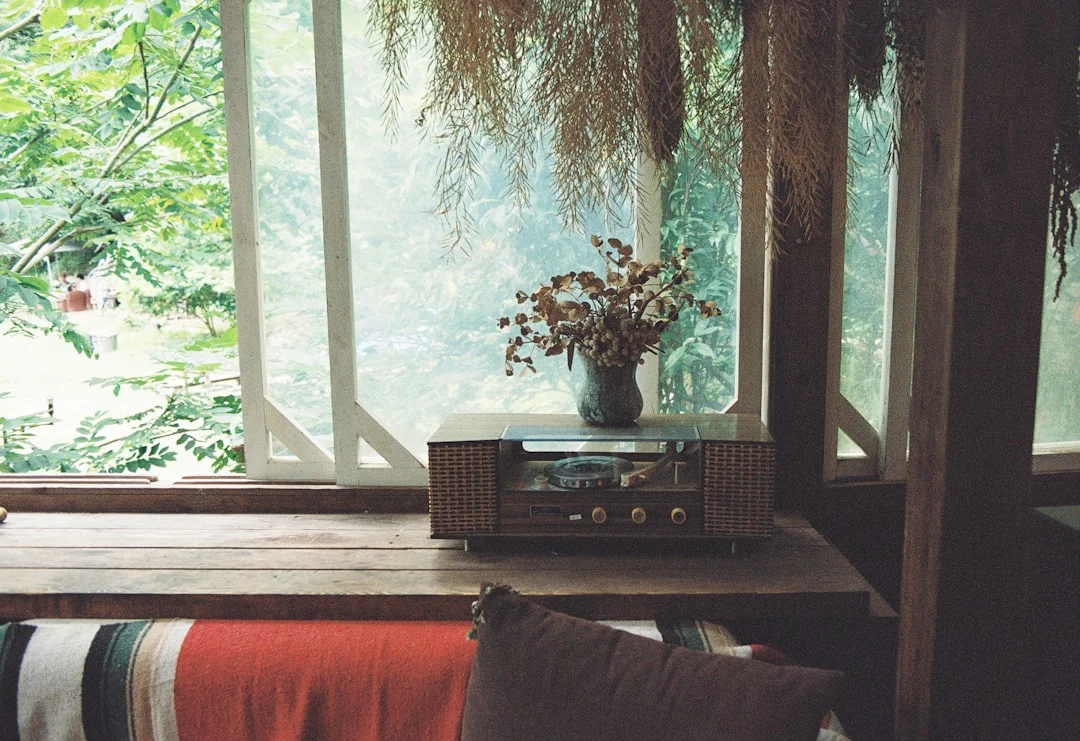
reclaimed wood decor often gets lumped into the rustic category because of its visible history—nail holes, weathering, uneven edges. But reclaimed wood doesn’t have to look like a barn door. When milled into wide planks with clean edges and finished in light or dark stains, it becomes a sophisticated material for flooring, wall paneling, and even furniture frames.
Linen is another case where perception has outpaced reality. Organic linen textiles used in upholstery carry the same softness as conventional linen but often come from European producers who’ve invested heavily in low-impact processing methods. A linen-upholstered sofa in a neutral tone looks just as at home in a mid-century modern living room as it does in a bohemian one—the difference is in the line of the piece, not the fiber.
Cork deserves particular attention because it’s one of those sustainable materials that simply hasn’t gotten its moment yet. Beyond the classic wine stopper associations, cork flooring and wall tiles offer remarkable durability, natural insulation, and a warm texture that works in virtually any design style. FSC-certified cork products are increasingly available from mainstream retailers, not just specialty eco-stores.
The shift from rustic-only sustainable aesthetics
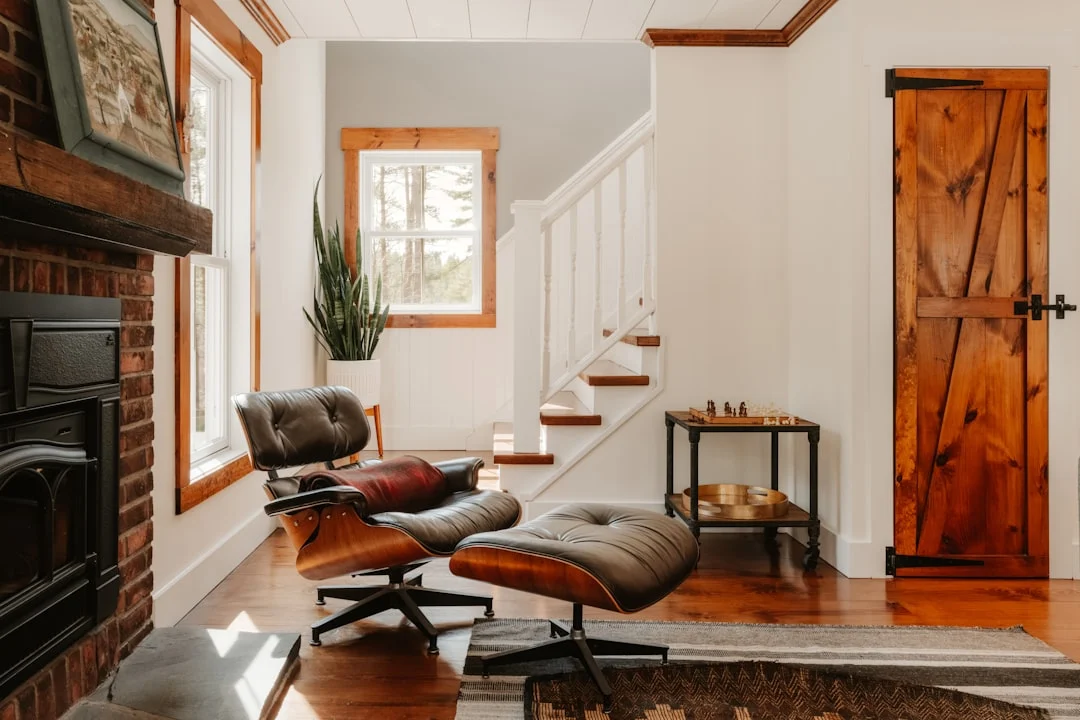
What’s driving this change is partly generational—millennial and Gen Z homeowners are entering the market with different expectations about what sustainability looks like. It’s also a response to greenwashing fatigue. Consumers have learned that
How to Choose Eco-Friendly Pieces That Fit Your Style (and Budget)
The biggest mistake people make when shopping for sustainable home decor is assuming it has to look a certain way. Too many shoppers picture reclaimed barn wood, jute rugs, and hand-thrown ceramics in earth tones—the full boho package—and then struggle to find pieces that actually belong in their mid-century modern living room or minimalist bedroom. The good news is that sustainable materials now come in clean lines, neutral palettes, and finishes that blend seamlessly into contemporary interiors.
Affordable vs. premium: where the real value lies in sustainable decor
Not every eco-friendly item justifies its higher price tag. A $200 organic cotton throw pillow from a boutique brand might cost three times as much as a conventional one, but the difference often comes down to marketing and fabric weight rather than environmental impact. On the other hand, premium sustainable furniture—especially pieces made from FSC-certified hardwoods or recycled steel—typically lasts decades longer than budget alternatives, which means the per-year cost can actually be lower.
Here is a practical way to think about it: invest in pieces that see daily wear and tear (mattresses, sofas, dining chairs) and save on decorative accessories. A sustainably made throw blanket or set of ceramic vases from an affordable brand will still reduce your environmental footprint without demanding a premium. Conversely, if you are replacing kitchen cabinets or flooring, the long-term durability of eco-friendly materials like bamboo or cork pays for itself quickly.
Low-VOC paint, organic textiles, and FSC-certified furniture as modern staples
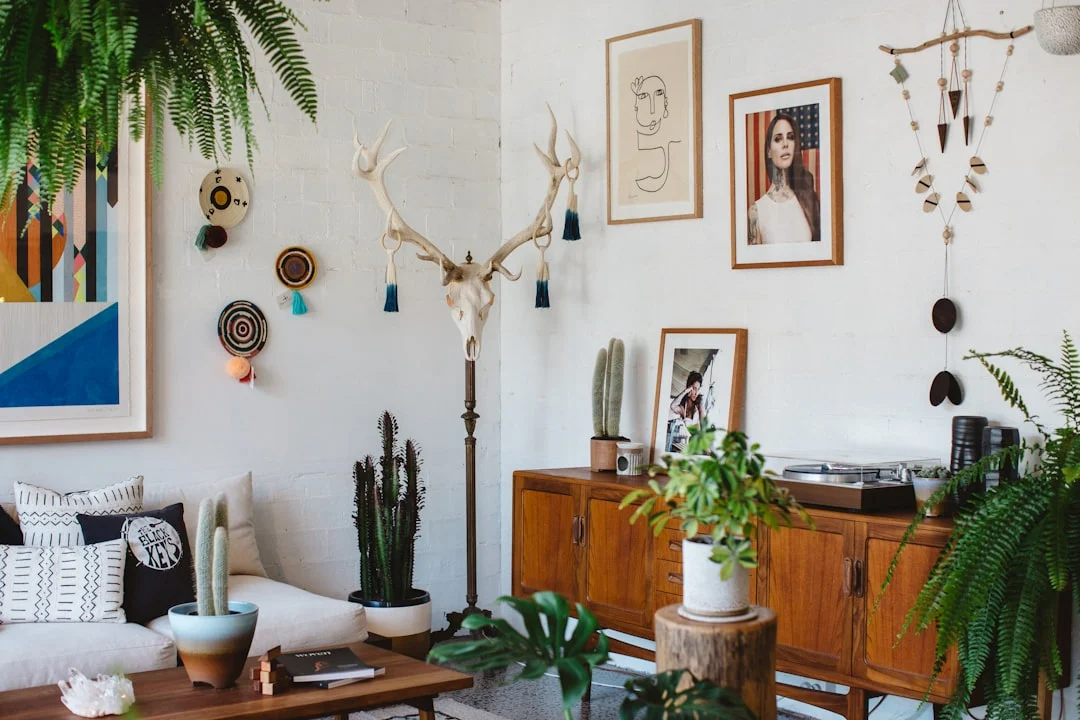
Three categories dominate sustainable home decor shopping because they offer the best balance of environmental benefit, style flexibility, and price range:
- Low-VOC paint. Volatile organic compounds from conventional paint off-gas for months after application, affecting indoor air quality. Low-VOC options now come in every color—including deep, saturated hues that were once the domain of more expensive premium brands. Look for Green Seal or Cradle to Cradle certifications to verify claims and avoid greenwashing.
- Organic textiles. Organic cotton, linen, and hemp are the foundation of eco-friendly soft furnishings. These materials require less water and fewer pesticides than conventional versions, and they age gracefully. The trick is choosing weaves and colors that feel intentional rather than rustic: a tightly woven organic cotton duvet cover in charcoal or ivory looks just as crisp as anything from a high-end department store.
- FSC-certified furniture. The Forest Stewardship Council label ensures wood comes from responsibly managed forests. FSC-certified pieces are available in sleek, contemporary designs—not just the chunky farmhouse tables you might expect. Look for solid hardwoods like oak, walnut, or teak in minimalist silhouettes that won’t date quickly.
Mixing budget-friendly eco accessories with statement pieces
One of the most effective strategies for building a sustainable home without overhauling your entire space is to anchor key rooms with one or two premium eco-friendly statement pieces, then layer in more affordable accessories that reinforce the theme. A single reclaimed wood dining table from a local maker becomes the focal point of your kitchen. From there, you can add budget-friendly touches like organic cotton napkins, cork placemats, and recycled glass candle holders without breaking the bank.
For renters or people who move frequently, this approach is especially useful. You do not need to commit to a full sustainable renovation—just swapping out conventional textiles for organic ones, choosing low-VOC paint when you repaint, and adding one or two FSC-certified pieces can significantly reduce the environmental footprint of your space. The key is consistency in materials and certifications rather than uniformity in style.
When evaluating any piece, ask yourself three questions: What material is it made from? Who certifies its sustainability claims? And will I actually use it for more than a year? If the answer to all three is yes, you are likely looking at a genuine sustainable home decor choice rather than a greenwashed bargain.
Five Styling Tips for Sustainable Furniture in Contemporary Spaces
The most common complaint about sustainable home decor is that it tends to look like a cabin interior designer had a stroke. Reclaimed wood, jute rugs, and woven baskets create warmth—but they also read rustic, boho, or farmhouse depending on who you ask. If your goal is an eco-friendly living room that feels as polished as a showroom in Milan, the trick lies in how you layer natural materials against modern architecture.
Pair reclaimed wood tables with clean-lined seating
A reclaimed wood dining table doesn’t have to anchor your space in country charm. The key is choosing pieces where the wood’s character—knots, grain variations, subtle weathering—complements rather than dominates your furniture palette. Look for tables with slim profiles and tapered legs rather than chunky, farmhouse-style frames. Then pair it with seating that has sharp lines: a walnut credenza with handleless drawers, or upholstered chairs in charcoal grey fabric with minimal detailing.
Consider the material’s origin story too. Reclaimed wood from old barns carries visible nail holes and patina that read rustic at first glance. But reclaimed wood sourced from urban warehouses—often called “urban lumber”—tends to be cleaner, more uniform, and better suited to contemporary interiors.
Use organic cotton and linen cushions to soften modern silhouettes
Modern furniture can feel cold if every surface is hard material. Organic cotton and linen are your tools for introducing warmth without sacrificing a streamlined aesthetic. The trick is in the weave and color selection: opt for tighter weaves in neutral tones rather than chunky knits or earthy greens that push toward boho territory.
When shopping for organic textiles, look beyond the label “organic.” Check for GOTS (Global Organic Textile Standard) certification, which ensures both the fiber content and the manufacturing process meet environmental criteria. This matters because some brands use organic cotton fibers but process them with conventional chemicals, which dilutes the sustainability benefit while inflating the price tag.
Incorporate recycled glass vases and ceramic accents without clutter
Recycled glass and handcrafted ceramics offer a subtle nod to sustainable home decor ideas without overwhelming your space. The difference between a curated accent collection and a craft fair display comes down to restraint. Choose two or three statement pieces—a tall, slender vase in cobalt blue recycled glass, for example—rather than filling every shelf with smaller items.
Ceramics work especially well in contemporary settings because they come in both matte and glossy finishes. A matte ceramic bowl in warm white reads modern; the same shape in a rustic terracotta leans country. Similarly, recycled glass pieces with visible bubbles or slight imperfections add character without feeling handmade in a way that clashes with clean-lined interiors.
Balance natural textures with matte black or brushed metal hardware
One reason sustainable furniture feels too rustic is the absence of contrast. Natural materials—wood, cotton, linen, cork—create a cohesive but sometimes monotonous texture palette. Introducing matte black or brushed nickel hardware breaks up that warmth and adds an industrial edge that grounds your space in contemporary design.
Apply this principle across different scales: metal drawer pulls on wooden cabinets, aluminum light fixtures above reclaimed wood dining tables, chrome legs on upholstered chairs. The goal isn’t to make every piece match but to create visual tension between the organic and the manufactured. This is what separates a well-designed eco-friendly bedroom decor setup from one that looks like a yoga studio.
Choose FSC-certified furniture with modern silhouettes
FSC (Forest Stewardship Council) certification tells you that wood products come from responsibly managed forests, but it doesn’t guarantee that the resulting furniture will fit your aesthetic. Many buyers assume sustainable means handmade or artisanal, when in fact FSC-certified pieces span everything from budget-friendly flat-pack options to high-end designer collections.
When selecting FSC-certified furniture for a modern interior, look for pieces with simple geometry and minimal ornamentation. A solid wood bookshelf with clean edges and open shelving feels contemporary regardless of the material’s origin story. Conversely, an ornately carved wooden sideboard—even if it’s made from sustainably sourced timber—will pull your room toward traditional territory.
Don’t overlook the finish as well. Matte or satin finishes on wood tend to read more modern than high-gloss varnishes, which can feel dated or overly formal depending on the surrounding materials. This is particularly relevant when considering affordable eco-friendly home accessories: a budget-friendly FSC-certified side table with a matte finish will often look more intentional than an expensive piece with a glossy lacquer that catches every reflection.
Greenwashing in Home Decor: What Certifications Actually Matter
You’ve probably seen the labels. A wooden chair with a leaf sticker, a curtain tagged “eco-friendly,” a rug that claims to be made from recycled materials — all of it looks sustainable until you realize most of those labels are marketing decisions rather than proof points. The problem isn’t that sustainable home decor is fake. It’s that shoppers need to separate actual certifications from the thousands of self-declared badges manufacturers slap onto products.
FSC vs. GOTS vs. Green Seal — How to Read Labels on Furniture and Textiles
Three certifications show up repeatedly in eco-conscious home decor conversations, and each one actually means something specific:
- FSC (Forest Stewardship Council) verifies that wood products come from responsibly managed forests. Look for the FSC label on reclaimed wood floors, bamboo furniture, and cork accents. It doesn’t guarantee the product is sustainable in every way — a piece could be FSC-certified but glued together with formaldehyde-heavy adhesives.
- GOTS (Global Organic Textile Standard) covers the entire supply chain from raw organic fiber to finished textile. A GOTS label on bedding, curtains, or upholstery means the fibers are at least 95% organic, no toxic bleaches were used, and the manufacturer meets environmental and social criteria.
- Green Seal is a broader certification that evaluates products across dozens of categories. For home decor, it often appears on paints, cleaning supplies, and furniture. Green Seal certifications require third-party testing rather than self-reporting, which matters when you’re deciding between a mid-range sofa advertised as “green” and one with the actual seal.
The key is matching the certification to the material. Don’t trust a wood product’s sustainability claim if it doesn’t carry FSC. Don’t assume organic cotton bedding is actually sustainable unless you see GOTS. These labels aren’t interchangeable, and neither are the products they certify.
‘Natural’ and ‘Eco-Friendly’ Claims That Mean Little Without Backing
Walk into a furniture store and half the pieces will say “natural” on their tags. Natural is not a certification. It’s an adjective that means something different depending on who’s using it.
A sofa upholstered in “natural linen” might use genuinely plant-based fabric, but if it was dyed with synthetic pigments and finished with chemical flame retardants, calling it natural feels like stretching the truth. A coffee table advertised as “eco-friendly” could simply mean it’s made of wood instead of plastic — which is technically true but doesn’t tell you whether that wood came from a clear-cut plantation or an old-growth forest.
The same issue applies to paint, rugs, and wall coverings. Terms like “non-toxic,” “green,” and “organic” appear on products with no standardized definition. Before buying sustainable home decor based on these labels, look for the specific criteria behind them. If a company can’t tell you what makes their product eco-friendly beyond the word itself, that’s worth noting.
Common Greenwashing Tactics in Home Decor (And How to Spot Them)
Manufacturers have gotten creative with how they position products as sustainable. Here are the most common tricks and how to see through them:
- The single-ingredient spotlight: A rug made of recycled polyester gets marketed as “eco-friendly” because that’s the material, even though the backing might be PVC and the dyes could contain heavy metals. Ask about the full composition, not just one standout ingredient.
- Misleading imagery: Look at any sustainable home decor product page and you’ll see trees, earth tones, and natural light. The visual cues are designed to trigger a green association in your brain before you read the specs. Don’t confuse the aesthetic of sustainability with its substance.
- Vague timeframes: “Made from sustainable materials” doesn’t tell you when those materials were sourced or whether the company has a track record of responsible sourcing practices over time.
- Partial certifications: A product might carry an FSC label on its wood frame but use non-certified fabric. The certification is real, but it only covers part of what you’re buying.
The most reliable approach to sustainable home decor is to look for products with transparent supply chains and third-party certifications that match the materials. When a piece can show you where it came from and how it was made — rather than just telling you — that’s usually a sign it’s not trying to greenwash you.
Best Sustainable Materials for Home Furniture: A Quick Comparison
Bamboo vs. Reclaimed Wood — Durability, Cost, and Aesthetic Trade-offs
Bamboo and reclaimed wood occupy opposite ends of the eco-friendly furniture spectrum, yet both can anchor a contemporary interior without tipping into cabin-country territory. The distinction matters most when you’re deciding between a $200 bamboo shelving unit and a $600 reclaimed oak dining table—and wondering which will still look intentional five years from now.
Bamboo regenerates in three to five years, compared to decades for hardwood trees, making it one of the fastest-renewable options available. It’s also remarkably hard: Janka hardness ratings place most bamboo varieties above maple and red oak. However, that density comes with a caveat about construction quality. Bamboo furniture often arrives as engineered panels pressed together with adhesives, so you need to check whether the manufacturer uses formaldehyde-free binders or holds FSC certification for sourcing.
Reclaimed wood carries its own set of questions. A salvaged timber table may look stunning in a modern dining room, but you should verify that the wood hasn’t been treated with lead-based finishes or exposed to industrial contaminants during its previous life. Reclaimed pieces tend toward warmer tones and visible grain patterns that complement both minimalist and transitional interiors—unlike the heavy distressing common in rustic decor collections.
For budget-conscious buyers, bamboo typically undercuts reclaimed wood on per-unit cost, though reclaimed options often appreciate aesthetically over time as patina develops. If you’re furnishing an entire space and want to minimize visual clutter between materials, matching bamboo tones across multiple furniture pieces creates cohesion without the layered warmth of mixed reclaimed surfaces.
Organic Cotton versus Linen for Upholstery and Textiles
The difference between organic cotton and linen extends beyond texture—it affects how your upholstery ages, breathes, and performs in different climates. Both materials avoid conventional pesticides and synthetic fertilizers, but the growing conditions and processing methods diverge enough to influence your choice for sofas, curtains, and throw pillows.
Organic cotton earns its designation through GOTS certification, which covers everything from seed sourcing to final dyeing. It’s softer than linen right out of the packaging and tends toward a smoother drape that works well on modern seating with clean lines. The trade-off is durability: organic cotton upholstery will pill faster than linen in high-traffic areas unless you select a tight weave or blend it with recycled polyester for reinforcement.
Linen comes from the flax plant, which requires roughly half the water of cotton and grows well in marginal soils where other crops struggle. The fabric develops character quickly—wrinkles that some interpret as imperfection actually contribute to linen’s appeal in contemporary interiors because they signal a lived-in quality without rustic styling cues. Linen curtains hang with distinctive movement, and linen-upholstered chairs tend to look more refined than cotton versions after the first year of use.
For eco-conscious living rooms specifically, consider layering: organic cotton throws on linen-upholstered sofas create textural interest while keeping both materials within sustainable parameters. Check for GOTS-labeled textiles at furniture stores and note that many brands now offer linen blends with recycled fibers to reduce the environmental footprint without sacrificing drape.
Recycled Glass and Cork in Modern Decor Applications
These two materials have experienced a quiet renaissance in contemporary interiors, largely because they sidestep the natural-fiber associations that often push sustainable decor toward boho aesthetics. Recycled glass and cork appear in furniture pieces, accent walls, and decorative objects that read as modern first and eco-friendly second.
Recycled glass is typically sourced from post-consumer bottles or manufacturing waste, melted down, and reformed into everything from decorative tiles to tabletops. Glass doesn’t degrade over time the way wood or fabric does, making it a long-term investment for surfaces that see daily use. Look for products labeled as containing at least 30% post-consumer recycled content—below that threshold, you’re essentially buying regular glass with a marketing tag.
Cork deserves particular attention for modern interiors because of its acoustic properties and visual warmth. Harvested from the bark of cork oak trees without felling them, cork regenerates every nine years. Cork flooring underfoot feels softer than hardwood and provides natural insulation against sound transmission—useful in apartments or open-concept spaces where echo can undermine a clean aesthetic. Cork wall panels have gained traction as an alternative to wood slat walls, offering the same vertical rhythm with less visual weight.
Both materials pair well with metal hardware and solid-color paints, which helps anchor them in contemporary interiors rather than letting them read as accent pieces from a bohemian collection. When shopping for recycled glass or cork products, check for Green Seal or Cradle to Cradle certifications to verify that adhesives and finishes used during manufacturing haven’t introduced volatile organic compounds—the same compounds that make “eco-friendly” painted furniture emit odors for months after installation.
Ready to refresh your space sustainably? Start with one room — swap out paint, textiles, or a statement piece — and build from there. Explore curated eco-friendly options that match modern interiors without the rustic look.
Related posts:




Tagged: Eco-friendly Home Decor, Home Decor, Low-voc Paint, Organic Furniture, Reclaimed Wood Decor, Sustainable Home Decor, Sustainable Home Decor Ideas, Sustainable Interior Design