

How to Build a Modern Interior That Doesn’t Feel Cold or Dated

Start with the core tension: modern interior design is often praised for its clean lines but criticized for feeling sterile, and many homeowners worry that investing in today's modern look will leave them with a dated room in three years. Briefly explain why modern interiors feel cold (overuse of white walls, minimal texture, too many statement pieces) and promise practical guidance on choosing materials, colors, and layouts that age well—without relying on fleeting trends.
Why Modern Interiors Feel Cold—and How to Fix It
The warmth problem: clean lines without texture
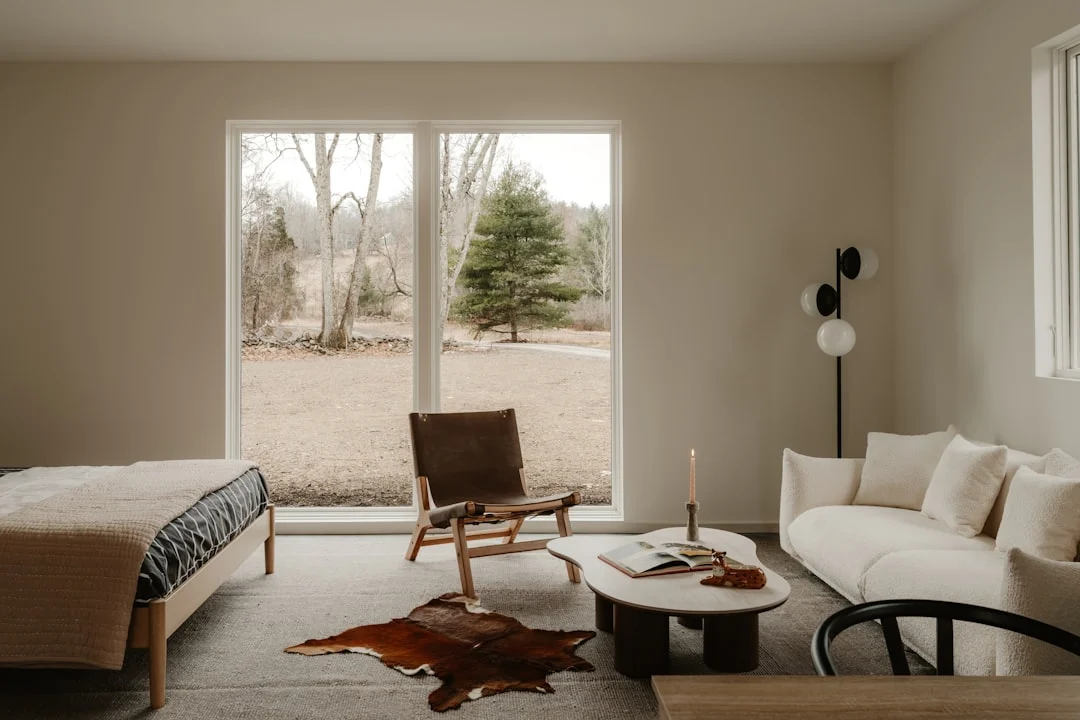
Clean lines are the signature of modern interior design, but they work against you when every surface is smooth and flat. A room full of polished concrete floors, glass coffee tables, and matte-white walls reads like a showroom—impressive at first glance, empty by mid-afternoon. The fix is layering textures that invite touch: a chunky knit throw on a low-profile sofa, a jute rug under a sleek dining table, or wooden furniture with visible grain to break up the visual monotony.

Consider how Scandinavian designers solve this problem in practice. They pair streamlined furniture with raw materials—unvarnished oak, brushed brass, linen upholstery—so that even within a minimalist layout, your eyes and hands have something to land on. You don’t need to abandon clean lines; you just need to stop treating them as the only design choice.
How overdone neutral palettes create a sterile effect
Neutrals are foundational in modern interior design, but there is a difference between a thoughtful palette and one that has been copied from every Pinterest board. A room painted exclusively in greige with white trim and ivory cushions can feel flat because the values are too close together. The trick is to build your neutral palette with actual contrast: think warm whites against cool taupes, or deep charcoal accents against pale oak.
Color temperature matters as much as color choice. A room full of cool-toned neutrals—blues, grays, whites with a blue undertone—will read colder than one built around warmer neutrals like cream, sand, and soft browns. This is especially relevant if you’re wondering what colors go with modern interior design. You can keep the overall scheme neutral and still achieve warmth by choosing materials that lean warm: honey-colored wood floors, terracotta tiles, or a mustard accent chair.
Statement pieces vs. cohesive rooms
A single statement piece—whether it’s an oversized sculptural lamp or a bold geometric rug—can anchor a modern room and give it personality. But when you pile too many large, visually loud items into one space, the room stops feeling modern and starts feeling like a collection of trends that haven’t been edited together. The difference between a curated look and a mismatched one often comes down to scale, repetition, and restraint.
Here’s a practical approach: choose one or two statement pieces per room, then build the rest of the space around them with simpler forms. If you have a striking mid-century modern armchair in walnut, pair it with a clean-lined sofa in a neutral fabric rather than another patterned statement piece. Let the statement items do the talking without competing. This is one of the most common mistakes people make when they’re designing on a budget—they buy expensive pieces and try to match them with other expensive pieces, instead of mixing high and low so that each item has room to breathe.
modern interior design ideas work best when they balance intentionality with ease. You don’t need a designer eye to avoid a cold or dated look; you just need to pay attention to texture, temperature, and restraint as you put pieces together.
Choosing Materials That Add Depth to Modern Interiors
The biggest mistake people make when styling a modern interior is treating materials as decoration rather than foundation. You can have the cleanest lines and most thoughtfully curated furniture, but if every surface reads flat and uniform, the room will feel sterile within months — or worse, dated once that particular trend cycle turns.
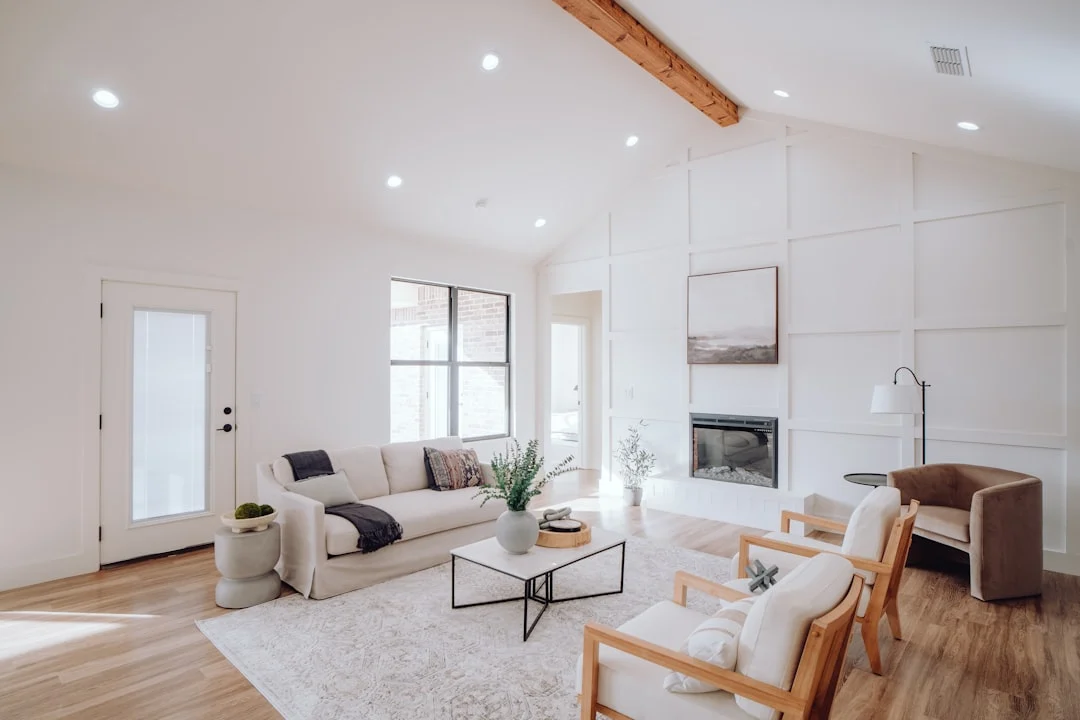
Modern interior design ideas often lean heavily on minimalism, which is why so many homeowners worry their spaces will look cold. The solution isn’t to abandon sleek surfaces but to layer them intentionally. Think of materials as a conversation between warm and cool textures, matte and reflective finishes, rough and smooth planes.
Natural Wood Tones That Prevent a Cold Feel
Wood is the single most reliable material for introducing warmth into modern interiors without sacrificing clean lines. But not all wood works equally well here — the tone you choose determines whether your space reads as inviting or clinical.
Warm oak, walnut, and teak tend to feel more approachable than pale birch or ash, which can look stark against white walls and glass surfaces. If you’re trying to figure out how to make a modern living room feel warm and inviting, start with the wood tones anchoring your largest pieces: flooring, major furniture items, built-in cabinetry.
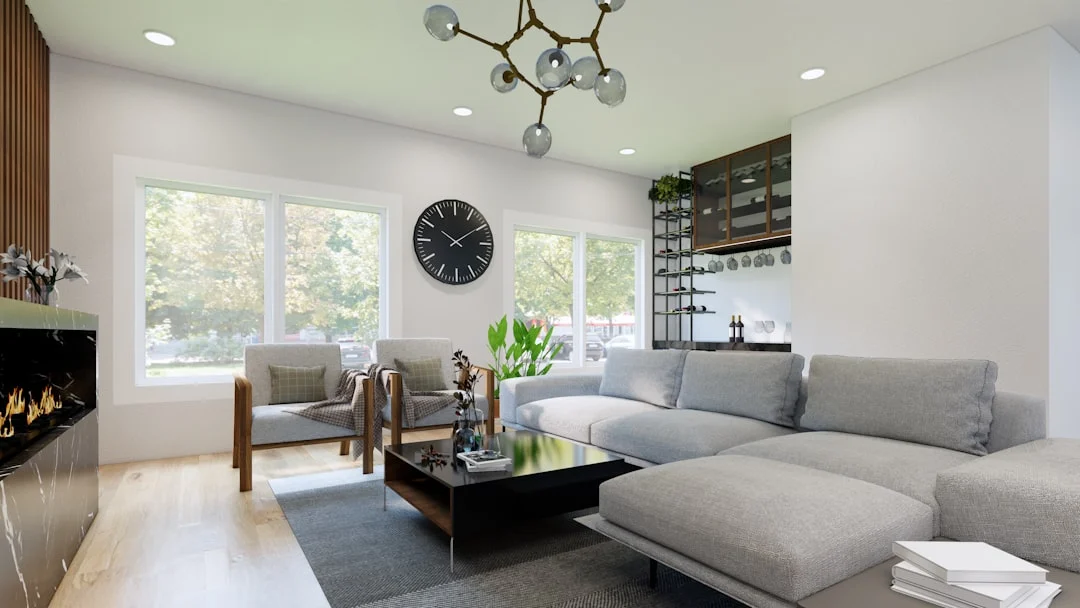
Consider this practical rule: if your room feels cold, check whether the wood in it is too light or too uniform. A single piece of darker walnut furniture — a coffee table, an accent chair, even a bookshelf — can shift the entire mood of a space. The key is balance rather than excess; you don’t need to replace everything, just introduce one or two warmer material anchors.
Stone and Metal Finishes for Layered Contrast
Stone and metal add structure and visual weight that prevent modern interiors from feeling too airy or insubstantial. Marble countertops, honed limestone floors, slate accent walls — these materials bring natural variation into rooms that might otherwise feel flat.
The trick is choosing finishes that complement rather than compete with each other. A polished chrome light fixture alongside a brushed nickel cabinet handle reads as intentional layering. Two different metals in the same finish (say, both matte black) can read as repetitive instead of layered.
When mixing textures in a modern home, think about scale and placement. Large-format stone tiles on a feature wall create visual interest without overwhelming a clean-lined room. Smaller metal details — drawer pulls, lamp bases, mirror frames — provide contrast at eye level where people naturally look first.
How Scandinavian Design and Mid-Century Modern Use Materials Differently
If you’ve ever wondered about the difference between modern vs contemporary interior design, materials are one of the clearest indicators. Scandinavian design tends toward light woods, wool textiles, and muted stone — all chosen to maximize natural light and create a sense of airiness. Mid-century modern leans darker: teak, rosewood, leather, brass, with richer color palettes built into those material choices.
Neither approach is better; they just serve different aesthetics. Scandinavian interiors work well in north-facing rooms or spaces with limited natural light. Mid-century modern can handle darker walls and more dramatic lighting because the materials themselves carry visual weight.
The good news: both styles age well. Because they rely on natural materials rather than synthetic finishes, neither feels tied to a particular trend moment. A room styled in either approach will look as intentional ten years from now as it does today — which is exactly what you want when figuring out how to style a modern living room for longevity.
Color Palettes That Age Well in Modern Spaces
The biggest mistake people make when styling a modern interior design is treating white as the default. A crisp white wall reads clean for about eighteen months, then starts looking sterile against most furniture and lighting. The solution isn’t to abandon white—it’s to expand it into a warmer family of neutrals that age gracefully alongside your furnishings.
Beyond White Walls: Warm Neutrals for Modern Interiors
Warm neutrals work because they carry undertones that shift with the light. A paint color labeled “greige” can lean gray in morning light and read as a soft taupe by evening, which keeps the room from feeling flat or one-note. Consider colors like Benjamin Moore’s Revere Pewter, Sherwin-Williams’ Accessible Beige, or Farrow & Ball’s Pointing—each offers that subtle warmth without tipping into yellow or orange territory.
The key to choosing a warm neutral is testing it against the materials in your space. If you’re working with light oak floors, lean toward neutrals with cooler undertones so the room doesn’t look overly sandy. Dark walnut or espresso floors pair better with warmer creams and beiges that prevent the contrast from feeling heavy.
Accent Colors That Won’t Feel Dated in Five Years
Trendy accent colors—think millennial pink or teal everything—age quickly because they’re tied to a specific moment. For long-lasting impact, choose accents rooted in natural materials and timeless finishes. Navy blue is essentially a dark version of the ocean and has been used in interiors for centuries. Forest green reads equally at home with mid-century modern furniture as it does with clean-lined Scandinavian pieces.
Consider how much accent color you actually need. A single painted wall, a set of throw pillows, or a statement rug can carry the color without committing your entire room. If you’re renting or want flexibility, paint the accent wall and keep the rest in your chosen neutral—this approach lets you refresh the space for less than $50 when trends shift.
What Colors Work with Open Floor Plans
Open floor plans create a unique challenge: colors that work in one area need to flow into adjacent spaces without creating visual chaos. The trick is establishing a color hierarchy rather than treating each zone independently.
A practical approach is to pick a base neutral for the entire open space, then introduce accent colors that appear in at least two different zones. If your living room has navy pillows, echo that blue somewhere in the dining or kitchen area—a vase, a piece of art, even the upholstery on a chair. This creates continuity without forcing every room to match.
For open floor plans with modern interior design ideas you can actually execute on a budget, consider using paint as your primary tool rather than committing to expensive furniture in specific colors. A fresh coat of warm white on walls and ceilings, paired with one or two accent pieces in deeper tones, gives you flexibility that keeps up with trends without requiring a full renovation.
Lighting That Transforms a Modern Room From Cold to Inviting
One of the fastest ways a modern interior design scheme starts feeling sterile is when lighting becomes an afterthought. Clean-lined furniture, neutral palettes, and open floor plans create that crisp, minimalist modern home decor look — but they amplify shadows and reflect light in unforgiving ways. The same room lit flatly can read as cold; the same room layered with purpose reads warm without sacrificing any of its architectural character.
Architectural lighting for clean-lined spaces
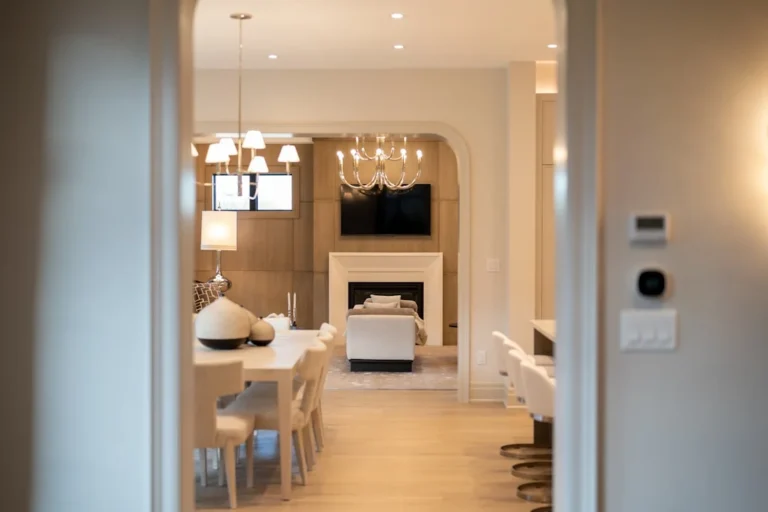
Ceiling-mounted fixtures that sit flush or hang directly from a single rod often look fine in photos but leave pools of darkness beneath tall sofas or behind dining chairs. Instead, treat ceiling lights as part of the room’s structure rather than its crown. Recessed cans placed at regular intervals along walls and above seating areas provide even washes of light that highlight the geometry of your clean lines furniture styles without creating harsh glare.
Linear pendants over kitchen islands or dining tables serve dual purposes: they ground a long, narrow space while drawing the eye upward to balance floor-to-ceiling windows. Choose finishes that echo other metals in the room — brushed brass with warm-toned wood cabinets, matte black with charcoal trim — rather than fighting for attention as statement pieces.
Layering ambient, task, and accent light
The most common mistake homeowners make when they’re trying to style a modern living room is relying on one or two sources of overhead light. That single chandelier or recessed cluster creates even illumination but eliminates the subtle depth that makes a space feel lived-in. The fix is straightforward: plan for three layers.
- Ambient lighting provides general coverage — think recessed cans, a central pendant, or wall-mounted sconces that bounce light upward toward the ceiling.
- Task lighting addresses specific activities: reading lamps beside armchairs, under-cabinet strips in kitchens, focused pendants over work surfaces.
- Accent lighting adds visual interest by highlighting art, architectural details, or textured walls with small directional fixtures.
When these three layers are balanced, the room feels intentional rather than empty. Switches and dimmers make this easy to adjust between a bright morning setting and a cozy evening atmosphere.
Warm vs. cool bulbs: the modern interior mistake
Cool white bulbs (4000K and above) are popular in modern interiors because they reinforce that crisp, gallery-like quality that defines Scandinavian design aesthetics. But when used exclusively, they can push a room toward clinical — especially in spaces with lots of neutral palette elements like white walls, grey floors, and pale wood tones.
The solution is not to abandon cool light entirely but to choose it strategically. Use 3000K bulbs for general ambient lighting where people spend time sitting and conversing. Reserve 4000K bulbs for task areas like kitchens and home offices where clarity matters more than warmth. For accent fixtures, consider even warmer bulbs (2700K) to make artwork and textured surfaces glow rather than gleam.
If you’re worried about modern interior design on a budget, start by swapping out the bulbs in your existing fixtures before buying new lamps or pendants. A few warm-toned LED replacements can dramatically shift how a room feels without any major renovation.
Layout Principles for Modern Interiors That Don’t Date Quickly
A modern interior design that endures starts with the room’s bones, not its accessories. The spaces that feel dated tend to fall into one of two traps: they’ve been arranged for a specific trend moment rather than for how people actually live in them, or they lean so hard on minimalism that the result reads more like an empty gallery than a home. Getting the layout right means making decisions about flow and proportion before committing to paint swatches or upholstery fabrics.
Furniture Placement in Open Floor Plans
Open floor plans are where modern design often stumbles most visibly. Without walls to define zones, furniture can end up arranged like it’s floating in a void rather than creating purposeful areas for sitting, eating, or working. The fix is to treat your open space as a collection of rooms that share air and sight lines.
Start by anchoring each zone with a statement element—a sofa facing a fireplace, an island counter defining the kitchen boundary, a rug grouping a reading nook—and then layer in secondary pieces that complement rather than compete. A dining table should feel connected to the kitchen without sitting directly against it; a living area needs enough room for traffic to flow around its perimeter furniture. Keep sight lines clear by placing taller pieces like bookshelves or accent chairs toward the back of zones, and use low-slung sofas and coffee tables to maintain visual continuity across spaces.
Don’t push all your furniture against walls just because there’s a wall to push it against. Pulling a sofa six inches away from the wall, for example, creates a subtle channel that feels more intentional than crowded. In open layouts, this small shift makes the room read as thoughtfully arranged rather than simply full.
When to Invest in Statement Pieces and When to Skip Them
The biggest mistake homeowners make with modern interiors is treating every piece of furniture equally when they should be thinking strategically about focal points. A statement chandelier, a sculptural armchair, or an oversized console table can transform a room—but only if the surrounding pieces support rather than fight them.
Invest in statement pieces that you’ll want to live with for five to ten years: lighting fixtures, dining chairs, and one substantial sofa. These items anchor the aesthetic even as trends shift around them. Skip the trendy statement pieces—the neon art prints, the oversized geometric mirrors, the furniture with extreme silhouettes—that look great in magazine spreads but feel dated within a couple of years.
Here’s a practical rule: if you’re tempted to buy three or more statement items in one room, pick two and let one piece do all the talking. A modern interior design that feels confident has room for its heroes rather than competing for attention across every surface.
Mixing Textures Without Creating Visual Clutter
Modern interiors often feel cold because they over-rely on smooth, hard surfaces—polished concrete floors, glass tables, matte-painted walls. The remedy isn’t to add more furniture; it’s to layer textures in a way that creates warmth without sacrificing clean lines.
The key is balancing materials by weight and temperature. A room with cool-toned flooring benefits from warmer wood tones in cabinetry or shelving. Smooth fabrics like linen or cotton soften against harder surfaces like stone or metal. Think about texture as a dial you can turn up or down depending on the mood of each zone.
Consider this approach: choose one dominant material for your large surfaces (walls, floors, big furniture), then layer two secondary materials at medium scale (rugs, curtains, accent chairs), and finish with small-scale textures that catch the light (throw pillows, ceramic vases, a wooden bowl). This hierarchy keeps the space feeling modern while preventing it from reading as either too sparse or too busy.
Don’t overlook lighting as a texture itself. A modern interior design without layered lighting will always feel flatter than one with a mix of overhead fixtures, table lamps, and wall sconces. Different light sources at different heights create shadows that give depth to even the simplest materials, making wood grain visible, highlighting fabric weave, and softening hard edges.
Modern vs Contemporary Interior Design: What You Actually Need to Know
Why the confusion matters for your choices
When you shop for a sofa, paint swatch, or lighting fixture labeled “modern,” what you’re actually buying depends on which version of modern design you land on. The terms get used interchangeably in stores and magazines because they overlap significantly, but they don’t mean the same thing—and the difference affects how your space ages.
Modern interior design refers to a specific movement that emerged in the early-to-mid twentieth century, roughly between 1900 and 1955. It’s rooted in functionalism, clean lines, and a rejection of ornamental excess. Think of the furniture designed by Eero Saarinen, the architecture of Le Corbusier, or the iconic pieces from mid-century modern that dominate design catalogs today.
Contemporary interior design, on the other hand, is a moving target. It describes what’s current right now and shifts as trends evolve. A contemporary room in 2015 looked different from one in 2024, and both will look different again in ten years. That’s not a flaw—it’s just how the label works.
The practical implication is this: if you want pieces that feel current regardless of which year you’re living in, lean toward modern design traditions. If you prefer flexibility to refresh with new trends without completely redoing your space, contemporary gives you more room to pivot.
Which design direction is more timeless
Modern design tends to age better because it was built on principles rather than aesthetics. The emphasis on honest materials—solid wood, steel, glass—and the focus on function over decoration means modern pieces rarely look out of place even as colors and accessories change around them.
Contemporary design can absolutely be timeless, but it’s more dependent on specific choices. A contemporary room filled with statement lighting, textured walls, and curated decor may feel dated faster than a modern room built on clean-lined furniture and neutral palette foundations. The key is knowing which elements are trend-dependent versus principle-driven.
Consider this scenario: you’ve invested in a mid-century modern credenza, but your paint color shifts from warm greige to cool white over the years. The credenza still works because its form and materials don’t rely on a specific color moment. A contemporary piece with an ornate frame or trendy finish might not hold up as well when the trend cycle turns.
For homeowners planning to stay in their space for more than five to seven years, modern interior design ideas tend to offer better long-term value. For renters or people who refresh rooms frequently, contemporary flexibility can save you from over-investing in pieces that won’t last as long anyway.
Scandinavian and minimalist styles in context
Modern Scandinavian interior design sits within the broader modern movement but brings its own set of priorities. It emphasizes warmth through natural materials, soft textures, and a light-filled sensibility that counters the stereotype of modern spaces feeling cold. Wood tones, wool textiles, and subtle patterns keep the aesthetic grounded.
Minimalism often gets conflated with both modern and contemporary design, but it’s really a philosophy rather than a period style. A minimalist home can feature modern furniture from the 1950s or contemporary pieces from last year—the defining factor is the edit: fewer objects, each one intentional.
When you’re deciding how to style a modern living room, consider where Scandinavian and minimalist elements fit into your vision. If you want warmth without sacrificing clean lines furniture styles, Scandinavian influences will serve you well. If you prefer a pared-back aesthetic that doesn’t demand much visual attention, minimalism gives you flexibility across both modern and contemporary approaches.
The confusion between these terms matters most when you’re making purchasing decisions. A “modern” armchair from a big-box retailer might actually be contemporary in cut, and vice versa. Read the description carefully, look at the materials and proportions, and decide which direction aligns with how long you want your choices to last.
How to Style a Modern Living Room Without Overspending
A modern living room doesn’t require a blank-check renovation. The trick lies in knowing which elements generate warmth and which ones just take up visual space. When you strip away the decorative clutter that often sneaks into minimalist rooms, what remains is a clean foundation that can accommodate personality through texture, color, and light rather than through expensive statement pieces.
Budget-Friendly Texture Upgrades
The single most effective way to prevent a modern interior design from feeling cold is layering textures. A room with only smooth surfaces—polished floors, sleek upholstery, hard-edged furniture—reads as sterile even when the color palette is warm. The fix is often as simple as introducing linen curtains, a woven area rug, or a chunky knit throw in a neutral tone.
Consider the difference between buying a $2,000 leather sofa and a $600 one that you accessorize with two textured pillows and a natural-fiber rug. The second room will often feel more inviting without costing more, because texture creates visual depth at a fraction of the price. Look for materials that age well: linen softens with use, wool resists pilling, and solid wood develops character rather than looking worn.
If you’re working on a tight budget, prioritize these high-impact texture swaps first:
- Replace plastic or metal lamp shades with paper or fabric versions
- Add a jute or sisal rug under your coffee table to break up hard flooring
- Swap out throw pillows seasonally instead of replacing entire furniture pieces
- Introduce wood elements through picture frames, side tables, or shelving units
When to Splurge on Furniture vs. Accessories
The biggest mistake people make when building a modern living room is overinvesting in furniture that anchors the space while leaving accessories looking like afterthoughts. A mid-century modern sofa deserves attention, but so does the lighting above it and the rug beneath it. The balance matters more than any single purchase.
Rule of thumb: splurge on pieces you use daily and touch frequently. Your sofa, dining table, and primary seating should reflect your budget because they carry the most wear and define the room’s silhouette. Save money on decorative items—vases, artwork, accent chairs—that can be replaced or rotated when trends shift.
Keep in mind that modern vs contemporary interior design often confuses buyers into spending more than necessary. Contemporary pieces tend to follow fleeting trends (think geometric shapes in bright colors), while classic modern designs lean on clean lines and neutral palettes that age gracefully. If a piece looks like it could fit in a 1960s home or a 2040s one, it’s probably worth the investment.
Here’s a practical spending breakdown for a typical living room:
- Sofa: invest ($800–$2,000 depending on household needs)
- Coffee table: moderate ($150–$400; look for wood or stone surfaces)
- Accent chairs: save ($100–$250 each; swap when desired)
- Rug: invest if you use the room daily ($300–$800)
- Lighting fixtures: moderate to splurge ($200–$600 total for a layered setup)
Simple Paint and Lighting Updates That Make the Biggest Impact
Paint is the most underrated tool in modern interior design ideas, yet it’s also the cheapest transformation you can make. The color you choose should complement your furniture rather than compete with it. Warm neutrals—think soft whites like Benjamin Moore’s White Dove or creamy beiges—create a backdrop that makes clean-lined furniture feel intentional rather than sparse.
Avoid painting walls in trendy colors unless they’re on the lighter end of the spectrum. Deep navy or forest green are beautiful but can date quickly, especially when paired with accessories that were chosen to match the paint. A neutral palette for modern interiors gives you flexibility: you can change the room’s mood through textiles and accessories without repainting.
Lighting is where most modern living rooms fail. A single overhead fixture—no matter how expensive—will make any space feel cold. The solution is layering: ambient light from a floor lamp, task lighting near seating areas, and accent lighting that highlights artwork or architectural features. Warm white bulbs (2700K to 3000K) are essential for making modern interior design feel inviting rather than clinical.
Architectural lighting—recessed cans, track lights, or pendant fixtures placed at eye level—adds sophistication without cost. If you’re renting and can’t install new fixtures, plug-in wall sconces and floor lamps with adjustable arms achieve a similar effect. The goal is to eliminate shadows in corners and create pools of light that draw the eye toward the room’s best features.
End with a practical call-to-action that directs readers to take one specific step toward building their modern interior—such as downloading a curated checklist of materials, colors, and layout tips for creating a warm modern space, or exploring a recommended collection of budget-friendly pieces that age well. Keep it focused on the article's angle (warmth + timelessness) rather than a generic 'shop now' prompt.
Related posts:
Tagged: Home Decor, How To Style A Modern Living Room, Minimalist Modern Home Decor, Modern Interior Design, Modern Interior Design Ideas, Modern Vs Contemporary Interior Design, Neutral Palette Modern Interiors, Open Floor Plan Modern Home