

Home Decor Ideas That Actually Work in Real Spaces

Opening hook: most home decor lists show perfect spaces—impossible for real homes. Briefly state the angle (practical solutions over trend-chasing) and preview the five problems this article solves: small-space overwhelm, budget mismatch, style indecision, wall-decor dilemmas, and pattern confusion.
Solve Small-Space Overwhelm Before You Buy
The hardest part of decorating a small room isn’t finding decor ideas for small rooms—it’s knowing which ones to keep and which ones will turn your space into a maze of half-finished decisions. Most people buy first, measure later, and end up with furniture that fights each other instead of working together.

Furniture scale: why oversized pieces kill small rooms
A 90-inch sofa in a 12-by-14-foot living room doesn’t just take up floor space; it shrinks the visual perception of every wall, window, and corner. The trick isn’t buying smaller—it’s buying proportionally right.
- Sofas: Look for depth under 36 inches in small rooms. A deep sofa looks luxurious in a large space but creates an island effect when there’s no room to walk around it.
- Dining tables: An oval or round table with legs (not pedestal) lets you tuck chairs underneath, freeing floor space for movement.
- Coffee tables: Height should be within 10 percent of your sofa seat height. A low coffee table paired with a tall side table creates the layered look without crowding sightlines.
Before you commit to any piece, measure it against your actual space—not just the listing dimensions. Lay painter’s tape on your floor in the shape of the furniture and walk around it for two days. If you find yourself bumping into it or stepping over it, scale down.
Vertical layering over horizontal spreading
Small rooms feel cramped because we fill them out instead of up. Wall decor without nails, floating shelves, and tall floor lamps all work the same way: they pull your eye upward and leave the ground plane open for movement.

Consider this practical example. Instead of a gallery wall at eye level (horizontal spread), try one large piece hung 6 inches above a sofa with two smaller pieces stacked vertically on either side. The vertical arrangement reads as intentional rather than crowded, and it leaves breathing room on the floor where you actually walk.
Lighting layers amplify this effect. A combination of ceiling fixture, wall sconce, and table lamp at different heights creates depth without adding bulk. This is especially useful in bedroom decor on a budget—you get three light sources for less than a chandelier costs, and each one hits a different vertical plane.
The visual weight test for every furniture piece
Visual weight has nothing to do with actual pounds. A black leather armchair weighs more visually than a white upholstered chair even if the leather one is lighter on a scale. Color, material, and proportion all contribute to how heavy an object feels in a room.
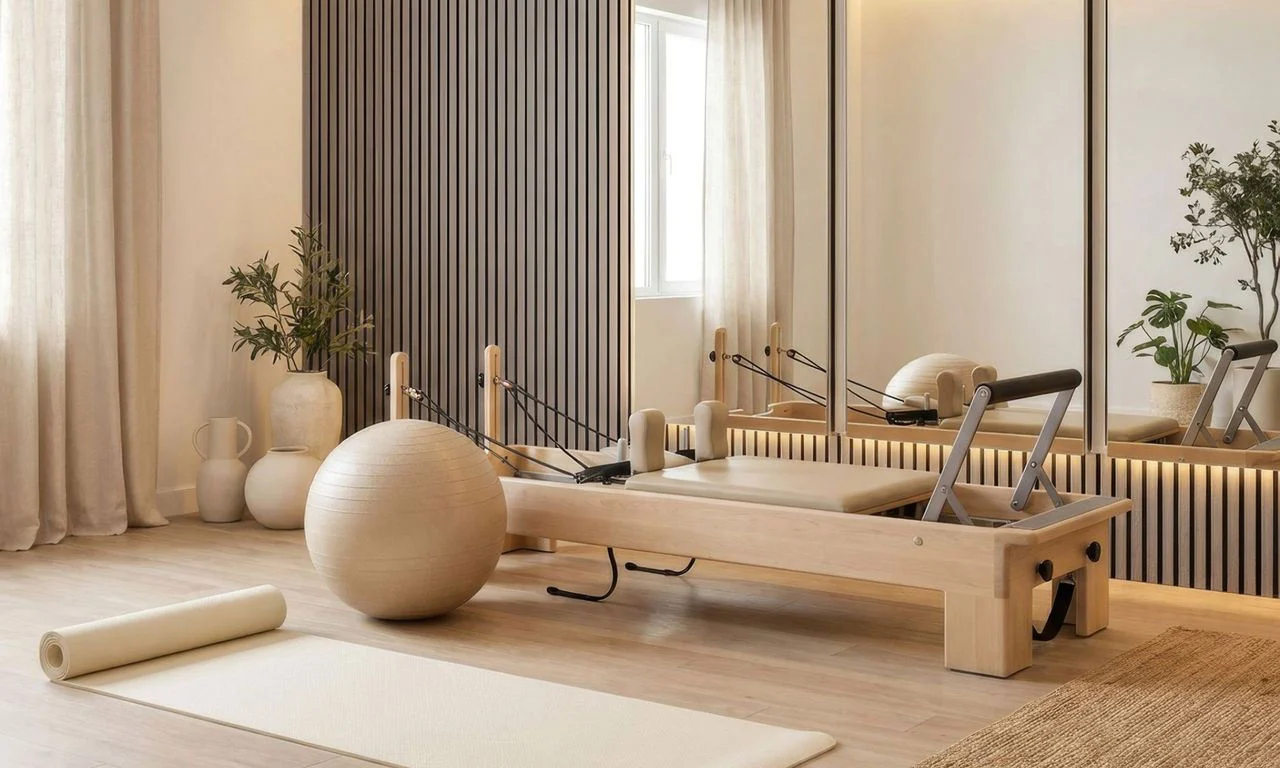
Use this simple test before buying: look at your piece from across the room with it sitting next to what’s already there. If it creates a dark spot or a blocky shape that competes with your focal point, either swap to a lighter material or move it to a position where its weight supports rather than fights the composition.
This is why mixing patterns in home decor works better when you pair them carefully—a bold patterned rug under a light-colored sofa grounds the space without overwhelming it. The same principle applies to textiles and accessories: heavy on one plane, light on another.
The bottom line for budget-friendly home decor isn’t spending less—it’s spending smarter. Measure twice, test vertically, and let visual weight guide your choices rather than price tags or Pinterest boards.
Match Your Budget to the Right Decor Tier
The biggest mistake people make when shopping for home decor ideas is buying at the wrong tier. A $15 throw pillow from a big-box store looks fine on its own, but placed next to a well-made sofa and quality lamp, it suddenly reads as cheap. Conversely, an expensive designer chair in an otherwise sparse room can look like it’s trying too hard. The trick isn’t spending less or more—it’s spending at the right level for each piece.
Where Spending Extra Actually Shows (and Where It Doesn’t)
High-traffic, high-tactile items are worth the investment. A sofa you sit on every day, a dining table that gets daily use, and curtains that hang in prominent view benefit from better construction and materials. These pieces age gracefully and anchor your room’s aesthetic.
Decorative items that serve primarily visual purposes—throw pillows, small accent tables, decorative trays—don’t need to be expensive to work well. The difference between a $10 and $50 pillow is often just the brand name on the tag. What matters more is how it fits your color palette and texture scheme.
Lighting falls somewhere in between. A floor lamp with a solid base and quality shade costs significantly less than a designer chandelier, yet both can dramatically improve a room’s atmosphere. The rule of thumb: spend more on pieces that get touched or looked at directly, and save on accents that support rather than lead.
Budget-Friendly Home Decor: Swapping vs. Buying New
Before committing to new purchases, test your decor ideas with swaps. Move a rug from one room to another. Swap out pillow covers instead of buying whole pillows—this alone can refresh a living room or bedroom for under $40 total. Reposition existing furniture before buying anything new; often the problem isn’t what you have but where it sits.
Consider secondhand options strategically. A solid wood dresser from a thrift store, sanded and painted if needed, costs far less than a new flat-pack alternative and tends to last longer. The key is looking past surface flaws—scratches can be fixed, paint can be refreshed, but poor construction cannot.
For renters especially, this approach matters. Wall decor without nails, removable wallpaper, and furniture that doesn’t require assembly or permanent placement let you experiment with home decor ideas without long-term commitment. A bold color on a single accent wall costs less than new furniture and creates immediate impact.
Affordable Upgrades That Add Value to Your Space
Some of the most effective decor ideas cost under $100 each but make rooms feel noticeably more put-together. Paint is the classic example—two coats on existing cabinets, a door, or even trim can transform a kitchen or bathroom without renovation costs. Hardware swaps (cabinet pulls, doorknobs) work similarly and are often reversible.
Textile layering deserves attention. A cozy home decor approach doesn’t require expensive furniture; it requires adding warmth through rugs, throws, and curtains in complementary textures. In small spaces, mixing patterns in home decor works when you anchor with a dominant color or neutral base first, then introduce two to three secondary patterns that share at least one color element.
Plants are another low-cost upgrade that consistently delivers. Whether real or high-quality artificial, greenery softens hard edges and adds life to any room. A few well-placed plants in varying heights create visual interest without the clutter of too many small decorative objects—a common pitfall when people try to decorate on a budget by filling every available surface.
When evaluating whether an upgrade is worth it, ask three questions: Does it improve daily use? Is it visible from the room’s main sight lines? Can I live with it if I decide I don’t love it in six months? If the answer to all three is yes, it’s a solid home decor investment regardless of price tag.
Choose Timeless Pieces That Outlast Trends
The fastest way to waste money on decor is buying things you’ll want to replace in eighteen months. Every year brings a new wave of must-have accents—millennial pink, brass fixtures, rattan everything—and the cycle repeats before your last purchase has earned its keep. The solution isn’t to ignore trends entirely, but to build around pieces that won’t embarrass you when they’re older than your phone.
Decorating a Living Room with Neutral Colors Without Looking Bare
A common hesitation about neutral palettes is the fear of creating a showroom that feels sterile and cold. The trick lies in treating neutrals as a canvas rather than a finished look. A warm beige wall paired with a charcoal sofa, an ivory throw blanket layered over cream cushions, and a walnut coffee table creates depth through variation in tone, not contrast.
Consider the undertones carefully. Beige can lean yellow or pink depending on your lighting, which means a rug that looks perfect under afternoon sun might appear dull next morning. Test swatches against your existing finishes before committing. Add texture through woven baskets, linen curtains, and wood with visible grain to keep the space feeling lived-in rather than staged.
Mixing Modern and Traditional Home Decor Styles That Actually Work
Home decor ideas for small rooms often start with style anxiety—the worry that pairing different eras will make a space feel cluttered or confused. The reality is that mixing modern and traditional pieces creates visual interest without the cost of replacing your entire inventory.
The key is balance rather than symmetry. A mid-century modern chair sits naturally beside a traditional wooden sideboard when they share similar proportions. An ornate mirror hangs above a clean-lined console table to create contrast without chaos. Furniture scale matters more than style labels, so keep in mind that a large sofa will overwhelm a small room regardless of whether it’s contemporary or classic.
The 70-20-10 Rule for Balancing Trend and Classic Pieces
One practical framework for managing this tension is the 70-20-10 ratio. Seventy percent of your decor should be timeless basics—your sofa, dining table, bed frame, primary lighting. These are pieces you won’t regret buying at full price because they work with any style direction. Twenty percent can lean contemporary or trend-forward, like throw pillows, artwork, or a statement lamp. The remaining ten percent is where you experiment freely with bold colors, unusual shapes, or seasonal accents that you can swap out without disrupting the overall feel.
This approach also addresses budget constraints naturally. When trends shift, you’re not replacing your entire living room—just updating accessories. Home decor ideas on a budget become even more effective because you invest in quality for the large items and save on smaller decorative pieces that carry style risk.
Fix Wall Decor Without Nails or Permanent Marks
Most people treat wall decor as an afterthought—hanging a single print above the couch, then moving on. The result is a room that looks half-dressed, with large stretches of bare drywall competing for attention. You don’t need to drill into every surface to make it look intentional. A few adhesive methods and tension-based solutions can give you the same visual weight as traditional hanging, without leaving holes behind.
Best wall decor ideas for renters without damage
The trick is thinking about scale before you commit to a piece. Large-format prints or mirrors create more impact with fewer items than a cluster of small frames, which means less surface area to cover and fewer anchor points. A single 24-by-36-inch print on removable hooks reads as a statement. Two smaller pieces stacked vertically often look like an afterthought unless they share a clear visual thread—matching colors, complementary subjects, or similar frame styles.
Textile-based wall decor is another underused option for renters. Hanging lightweight fabric panels from tension rods pushed between two walls gives you the texture and warmth of curtains without any hardware at all. The same approach works with macramé, woven baskets, or even a well-draped throw blanket stretched across a simple frame. These pieces add visual interest to bare walls while remaining fully removable when you move.
Wall decor without nails: adhesive vs. tension-based options
Adhesive solutions like Command strips and similar products have improved significantly over the past decade. The key is matching the weight rating to your piece, not just trusting the minimum on the package. A 12-ounce frame might need two strips rated for 8 ounces each, because adhesive strength drops when you account for surface texture, temperature changes, and long-term hold time.
Tension-based methods work best for pieces that don’t require precise alignment. Tension rods between walls or across a niche hold up mirrors, small shelves, and even lightweight art without any wall contact at all. They’re especially useful in narrow spaces like hallways or above doorways where drilling would feel intrusive.
The trade-off is visibility: adhesive strips leave marks when removed if you pull them incorrectly, while tension rods require flat parallel surfaces to work effectively. For painted drywall, remove adhesive strips by pulling straight down and slowly, not outward at an angle. This technique preserves the paint finish and keeps your security deposit intact.
Layering art and textiles on bare walls
Bare walls don’t need to be filled all at once. Start with one anchor piece—a mirror, a large print, or a textured textile—then add smaller elements as you discover what works. Layering means mixing materials rather than stacking identical frames. A woven basket beside a framed photograph creates visual tension that feels deliberate instead of random.
Consider the sightlines when planning your wall arrangement. Stand back and look at how pieces relate to each other across the space, not just on one wall. A mirror opposite a window reflects light and makes the room feel larger. A textile panel above a reading chair draws the eye upward and softens what would otherwise be a hard corner.
The goal isn’t to cover every inch of wall surface. It’s to create enough visual weight that the room feels complete without looking crowded. Two well-placed pieces often outperform five mediocre ones, especially in smaller rooms where decor ideas for small rooms demand more intentionality than volume.
Mix Patterns in Home Decor Without the Chaos
Patterns don’t have to fight each other—they just need a system. The mistake most people make is throwing every print they love into one room and hoping for the best. Instead, approach pattern mixing like layering clothing: you want cohesion, not collision.
The scale hierarchy: large patterns anchor, small details pop
Start with a large-scale print as your foundation—think a bold geometric rug or oversized floral curtains. These pieces command attention without demanding perfection. Then layer in medium patterns like striped throw pillows or a plaid armchair, and finish with tiny details such as delicate embroidery on table linens or small-scale wallpaper in a bathroom.
The rule of thumb: if two patterns have similar scale, they compete. If one is clearly larger than the other, they cooperate. A large floral sofa paired with a medium stripe pillow works because your eye can distinguish their roles. The same floral and stripe on the same object creates visual noise instead of depth.
Cozy home decor: layering textiles for depth
Textiles are the easiest way to introduce patterns without committing to permanent changes. This matters especially if you’re renting or working with budget-friendly home decor constraints—swap out pillows, add a throw blanket, or replace one curtain set and your room transforms.
Layering three textiles in different patterns creates what designers call “visual warmth.” A knit blanket on a patterned sofa, a woven rug underneath, and a printed pillow on top gives your space texture you can actually feel. The trick is varying materials alongside patterns: smooth cotton against chunky wool, shiny silk next to matte linen.
For small spaces specifically, this approach works better than it seems. Instead of one large pattern dominating the room, multiple smaller patterns spread across textiles distribute visual interest without overwhelming the floor plan.
Color consistency as your pattern-mixing safety net
When you’re unsure whether two patterns will work together, check their colors first. Patterns that share at least two colors will harmonize regardless of how different they look on paper. A navy and cream floral pillow pairs naturally with a navy-and-cream geometric rug even though one is organic and the other is structured.
Neutral backgrounds are your best friend here. If you’re debating between mixing modern and traditional home decor styles, let neutrals do the heavy lifting. A traditional damask print on a sofa reads comfortably against a modern abstract painting because both share the same neutral wall behind them.
For budget-conscious decorators, this color rule means you can shop sales strategically. Pick three colors that already exist in your room and buy patterned pieces within that palette. You’ll end up with a coordinated look without paying full price for matching sets.
End with a practical next step: 'Pick one of these five problems, apply its framework to a single room this week, and notice the difference before adding anything else.'
Related posts:


Tagged: Bedroom Decor On A Budget, Budget-friendly Home Decor, Cozy Home Decor, Decor Ideas For Small Rooms, Home Decor, Home Decor Ideas, Modern Living Room Ideas, Wall Decor Without Nails