

How to Create an Authentic Mid-Century Modern Home Without Buying Expensive Originals

Open with a relatable scene—a living room that feels like a showroom rather than a home—and position the article as a practical guide for styling MCM authentically by choosing the right pieces, mixing them thoughtfully with contemporary furniture, and investing strategically in originals versus reproductions.
What Actually Defines Mid-Century Modern Styling
Walnut and teak finishes: why wood matters more than shape
If you’re trying to spot the difference between a genuine mid-century modern piece and something that just looks vaguely retro, start with the wood. The era’s furniture leans heavily on walnut and teak — warm, medium-toned woods with visible grain that feel organic rather than manufactured. Modern reproductions often use lighter maple or oak with a glossy polyurethane finish, which reads as Scandinavian contemporary instead of mid-century modern.
Walnut gives MCM pieces their rich, sophisticated undertone. Think about the Eames Lounge Chair — it’s not iconic because it has armrests; it’s iconic because the walnut shell and leather cushions create a specific warmth that pairs with almost anything. Teak is slightly lighter but equally important, especially in Danish pieces like Hans Wegner’s work. When you’re shopping for mid-century modern decor, touch the wood before you buy. If it feels warm to the hand rather than cool, if the grain is visible and not painted over, you’re likely looking at an authentic MCM piece.
Iconic silhouettes that read MCM at a glance
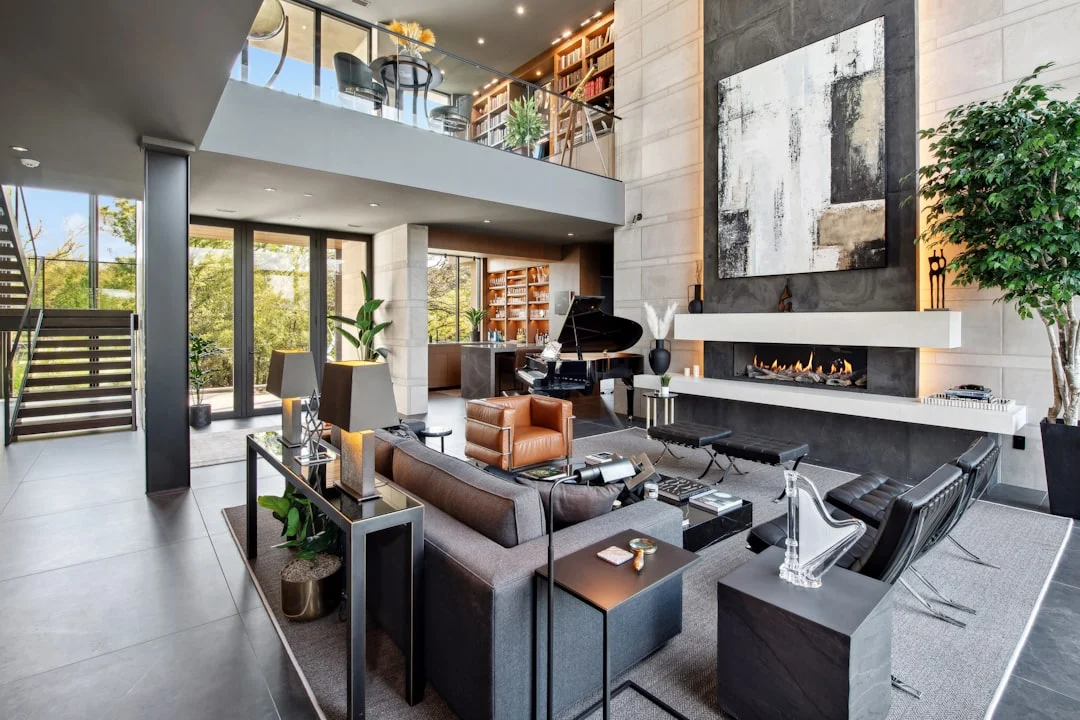
You don’t need to know the names of designers to recognize mid-century modern styling — but recognizing those silhouettes helps you mix pieces with confidence. The Eames chair (either the molded plastic version or the original plywood shell) is probably the most photographed piece of furniture in the world, and for good reason. Its clean lines and tapered legs became a shorthand for the entire era. Nelson lamps — those saucer-shaped floor lamps by George Nelson — do the same thing with lighting.
Other silhouettes to look for when building your mid-century modern living room: chairs with splayed, angled legs (not straight down), coffee tables with thin metal bases and wooden tops, sideboards that are long and low rather than tall and boxy. These shapes communicate MCM instantly, even if you’re mixing them with contemporary pieces or traditional furniture.
The Danish modern and Scandinavian influence you can spot in any piece
Mid-century modern design isn’t purely American. The movement was heavily influenced by Danish and Scandinavian designers working during the same period, and that Nordic sensibility is still visible in many affordable mid-century modern furniture pieces today. Look for pieces with exposed joinery, lighter wood tones, and a focus on function over ornament — these are hallmarks of the Scandinavian influence.
When you’re mixing mid-century modern with contemporary furniture, pay attention to this Danish thread. A piece with clean lines but slightly rounded edges probably has that Scandinavian DNA. It’s what makes MCM furniture feel livable rather than formal, which is exactly why it works in real homes and not just showrooms.
How to Mix Mid-Century Modern with Contemporary Furniture
The biggest mistake people make when styling a mid-century modern home is treating the style as if it requires its own separate universe. You don’t need to clear out your existing furniture and start from scratch. In fact, some of the most compelling interiors are those where MCM pieces sit comfortably alongside contemporary selections, each era playing off the other rather than competing.

Three rules for pairing MCM with modern pieces without clashing
Start by treating your mid-century items as the anchors and your contemporary furniture as the supporting cast. A walnut credenza or a pair of Eames lounge chairs will naturally command attention, so build around them with simpler, cleaner lines in your newer pieces. The goal isn’t to match eras perfectly — it’s to create visual harmony through shared principles like proportion, material honesty, and restrained ornament.
The second rule is about scale. Mid-century furniture tends toward the low and horizontal, which is why a mid-century modern living room feels grounded rather than imposing. When you introduce contemporary pieces, keep their silhouettes in the same family. A high-backed Scandinavian armchair works beautifully next to a sleek sectional because they share that same relaxed, human-scaled energy. What doesn’t work as well is placing a massive, boxy contemporary sofa directly against delicate MCM legs — the visual weight fights rather than complements.
Third, let materials do the talking. Teak, walnut, and oak from the mid-century era have a warmth that reads naturally alongside the steel, glass, and stone found in contemporary design. If you’re building your collection on a budget, prioritize pieces that share this material language over ones that try to match styles perfectly. An affordable reproduction of an Eames chair will feel more at home next to a modern Italian dining table than a period-correct piece with overly ornate detailing.
Using color palette and textiles as the bridge between eras
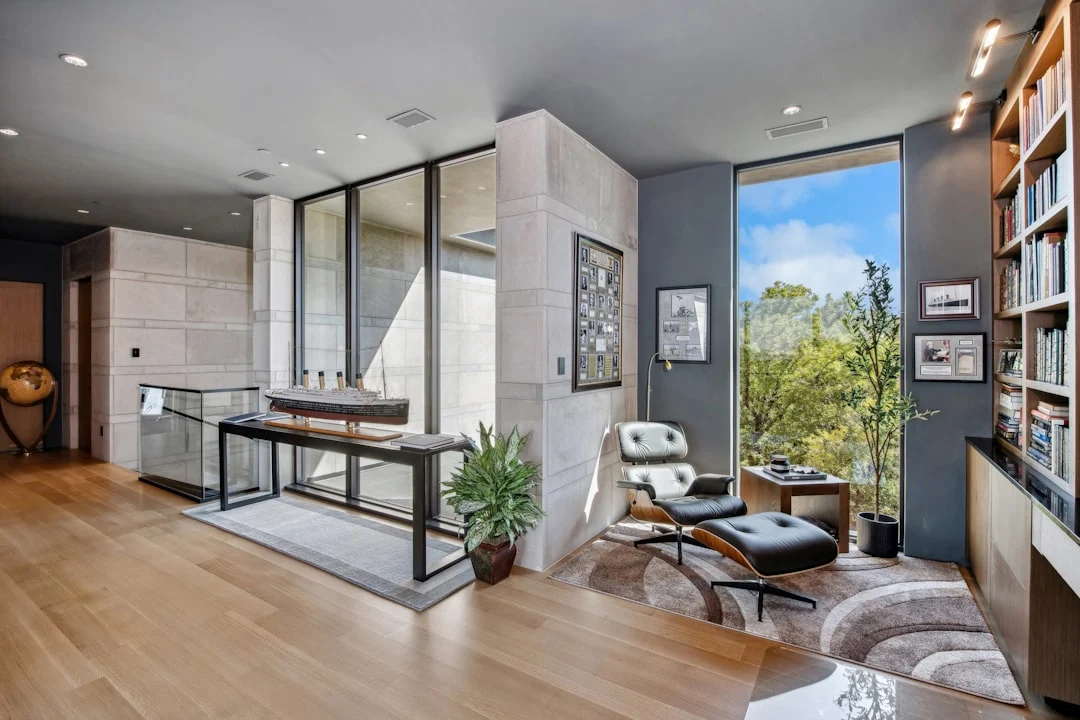
Color is one of the easiest ways to unify furniture from different periods. The mid-century modern color palette — think mustard yellow, burnt orange, olive green, and those warm terracotta tones — works surprisingly well against cool contemporary backdrops. A charcoal sofa paired with a vibrant orange accent chair creates instant visual interest without feeling dated or trendy.
Textiles are your secret weapon here. Throw pillows, rugs, and curtains in mid-century geometric patterns can tie together an otherwise mismatched room. Look for pieces that echo the graphic sensibility of the era — think bold stripes, organic curves, and those iconic sunburst motifs — but don’t be afraid to layer them with contemporary textures like linen or bouclé.
When you’re shopping affordable MCM decor, prioritize items that reinforce this color story. A reproduction Nelson lamp in warm amber glass adds mid-century warmth without the original price tag. mid-century modern bedroom ideas often center around a statement headboard — whether it’s upholstered in a rich fabric or crafted from solid walnut — and this is one piece where you might consider investing more, since it becomes the visual anchor of the room.
When contemporary furniture reads too cold—and how to warm it up
Certain contemporary pieces can feel sterile next to mid-century originals. A glossy white lacquer cabinet or a chrome-framed glass coffee table might read as cool rather than inviting, especially if your MCM selection leans heavily into wood tones and organic shapes.
The fix is straightforward: layer in warmth through accessories and textiles. A chunky knit throw over a sleek sofa immediately softens the space. Rugs in natural fibers — jute, sisal, or even wool with visible texture — ground contemporary pieces in something tactile and inviting. And don’t underestimate the power of lighting; Danish modern design and Scandinavian influence both tell us that warm-toned bulbs (2700K to 3000K) make a world of difference in how furniture reads.
If you’re worried about committing too much to mid-century styling, start with one room and build from there. A mid-century modern living room on a budget might mean keeping your existing sofa but adding an iconic mid-century chair as an accent piece. You don’t need to replace everything at once — the style is inherently flexible enough that you can introduce it gradually while still achieving that authentic look without buying expensive originals.
Which Mid-Century Pieces Are Worth the Investment
The mid-century modern living room is full of pieces that look expensive but aren’t, and originals that cost more than you’d expect. The trick is knowing which ones actually improve your daily life and which are just decorative ego boosts.
Eames Chair vs. Reproduction: What You Actually Notice After a Year
The Eames lounge chair costs around $6,000 new from Herman Miller or Vitra, while reproductions run $500 to $1,200. Here’s the honest take: after a year in your home, you’ll notice the difference between originals and mid-tier reproductions in the seat cushion resilience and the plywood grain visibility on the shell. Cheap knockoffs tend to sag noticeably faster, and the molded plastic shells develop hairline cracks around stress points—especially near the armrests.
If you’re furnishing a mid-century modern bedroom or a smaller apartment, an Eames-style lounge chair from Crate & Barrel or West Elm will serve most people just fine. The real investment pays off if you plan to keep the piece for 15+ years and want it holding its resale value. For renters who move every few years, a good reproduction is smarter than stretching into six figures.
Wegner Chairs and Other Danish Originals That Hold Their Value
Wegner’s CH24 Wishbone chair ($1,800+ for the original) has become so ubiquitous that you’ll see it in every second Instagram post about mid-century modern decor. But unlike some trends, the Wegner actually holds its value—authentic pieces from Carl Hansen & Søn or even older Danish finds regularly resell at 60-70% of their original price. The key is buying verified originals with proper documentation.
Nelson lamps are another category worth considering for investment. A genuine Nelson saucer lamp ($500-$900) adds sculptural presence to any mid-century modern living room without dominating the space like a bulky sofa does. The light quality alone—warm, diffused, and architectural—justifies the price for most people.
walnut and teak furniture pieces from Danish makers tend to age better than American oak or ash because of their tighter grain structure and natural oils. This matters less in theory than practice: a $300 reproduction teak dining table will look fine for three years, but after that, the veneer may start peeling at the edges while an original solid-wood piece develops a richer patina.
Affordable Alternatives That Fool Friends and Family
You don’t need to buy every mid-century modern furniture piece as an original. The most authentic-looking rooms actually mix eras and price points. Here’s what works without drawing attention:
- IKEA Mid-Century collection — Their Eames-style lounge chair reproduction ($899) has improved significantly with each version, and the solid walnut base option is indistinguishable from originals in most living rooms.
- Wayfair’s “Mid-Century” filter — Sort by customer ratings above 4.3 stars, then check reviews for mentions of “stability” and “patina.” You’ll find solid wood credenzas and sideboards under $600 that look far more expensive than they are.
- Vintage finds at estate sales — A genuine Danish modern chair from the 1960s often costs less than a new reproduction, especially if you’re willing to have it reupholstered. Look for pieces with visible maker stamps on the underside.
- Pottery Barn’s “Mid-Century” line — Their walnut credenza and dining chairs are well-constructed reproductions that hold up in daily use and don’t feel like cheap imitations.
The real mid-century modern decor mistake most people make is going all-in on one brand or era. Mix a Wegner chair from the 1950s with an IKEA side table, add a Nelson lamp, and throw in something contemporary for contrast. That layered approach reads as more authentic than a showroom-perfect room full of identical reproductions.
MCM Decorating Mistakes That Make Your Home Look Staged
Buymg too many iconic pieces without layering in personal touches
There is a difference between curating and collecting. The mid-century modern living room that looks like it belongs in a magazine often has one of each: Eames lounge chair, Nelson bubble lamp, Wegner Wishbone chair, and an original Noguchi coffee table arranged with mathematical precision. The result feels less like a home than like a showroom display.
What makes authentic MCM decor feel lived-in is the tension between iconic pieces and personal artifacts. A reproduction Eames side chair works just as well in practice as the original, but it only earns its keep when paired with a stack of worn paperbacks on the coffee table, a hand-thrown ceramic vase from a local maker, or a vintage record that has actually been played. The furniture becomes the stage, not the performance.
Igning scale—why oversized rugs and small MCM furniture clash
Scale is where most mid-century modern styling goes wrong, and it usually starts with the rug. Authentic Scandinavian-influenced interiors use smaller area rugs that sit entirely under the front legs of sofas and chairs, creating a contained zone rather than a floating island. The mistake is buying a rug so large it swallows the furniture whole—common when people confuse mid-century modern with contemporary minimalism.
Conversely, oversized mid-century furniture pieces in small apartments create visual confusion. A full-size teak credenza against a narrow living room wall reads as institutional rather than intimate. The fix is to measure twice: if your sofa is 84 inches wide, your rug should be roughly 72 to 90 inches wide (leaving some breathing room on either side), and the coffee table should sit about 16 inches from the sofa front. These are rough guidelines, not rules, but they prevent that “everything is too big” feeling that plagues so many modern reproductions.
The showroom trap: matching sets that feel too perfect
Mid-century modern design thrives on contrast and variety, yet the furniture market pushes matching sets like a mirror image of traditional dining suites. A walnut credenza paired with an identical sideboard, topped with matching lamps and flanked by coordinated chairs, creates visual harmony at the expense of character.
The solution is mixing MCM furniture pieces within the same room but from different substyles. Pair Danish modern design elements—a teak cabinet from the 1950s—with Scandinavian-influenced textiles (think wool blankets in muted tones) and American mid-century modern accents, like an Arco floor lamp or a vintage brass sconce. Walnut and teak furniture look wonderful together precisely because they are different woods with different grain patterns, not identical twins.
When you mix mid-century modern with contemporary pieces—say, a sleek sectional sofa alongside an iconic mid-century chair—the result reads as intentional rather than accidental. The key is maintaining a consistent color palette and material language throughout the room. A warm mid-century modern color palette of burnt orange, olive green, mustard yellow, and deep teal works across decades and styles, anchoring whatever you choose to include.
How to Build a Mid-Century Modern Home on a Budget
The mid-century modern look has become so ubiquitous that you can now spot it in everything from IKEA catalogs to Pinterest boards, but achieving the real thing doesn’t require auction-house prices. What actually works is understanding which pieces carry the authentic character of the era and which are merely wearing its costume.
Where to Buy Authentic Mid-Century Modern Pieces Online Without Overspending
You don’t need to visit a vintage showroom or negotiate at an estate sale to find genuine mid-century modern furniture. Several online retailers specialize in authenticated pieces, often with detailed provenance and condition reports that let you shop with confidence.
- 1stDibs — Curated marketplace where you can filter by decade and material; the search tools are strong enough to help you distinguish a Danish teak credenza from a reproduction without leaving your couch
- Etsy vintage sellers — Individual dealers who often specialize in MCM pieces, with photos that show wear, labels, and construction details better than big-box retailers typically provide
- The RealReal — Consignment platform with authenticated mid-century items at a fraction of retail; the return policy gives you room to try pieces in your actual space before committing
- Crate & Barrel Outlet and West Elm Sale sections — Where their own MCM-inspired lines go on clearance, often representing significant savings on pieces that already carry the right proportions and materials
The key is learning to read construction details. Authentic mid-century pieces from the 1950s and ’60s typically show tapered legs, solid hardwood frames (walnut, teak, oak), visible joinery rather than hidden staples, and a warm patina that develops naturally over time. Reproductions often use plywood or MDF with veneers that look too perfect — almost like they’re hiding something.
Best MCM Furniture for Small Apartments and Rental-Friendly Options
If you’re working with limited square footage or can’t drill into walls, mid-century modern furniture actually works in your favor. The style’s emphasis on clean lines, raised profiles, and visual lightness makes rooms feel larger — a quality that matters more in a 700-square-foot apartment than in an open-plan house.
Focus on these pieces first:
- A mid-century sofa with exposed wooden legs (the space underneath reads as extra floor area)
- A teak or walnut console table that doubles as a desk — no anchoring required
- Scandinavian-style accent chairs in fabric rather than leather, which tend to be lighter and easier to move
- Wall-mounted shelving with thin profiles (think George Nelson’s pegboard systems or simple floating shelves that don’t overwhelm a small wall)
Avoid the oversized sectional trap. Mid-century modern was never about filling every inch of floor space — it was about leaving room for movement and letting each piece breathe. A single Eames-style lounge chair (or its more affordable cousin) paired with a modest sofa often looks more intentional than a wall-to-wall arrangement.
Mixing One Statement Original with Budget Reproductions for Maximum Impact
Here’s the most effective strategy if you want an authentic mid-century modern home without spending thousands: choose one or two anchor pieces and make them real originals. Everything else can be reproduction, DIY, or even secondhand finds from thrift stores that you style with MCM sensibility.
An original Hans Wegner Wishbone Chair (or a well-made reproduction of it) in your dining room will carry more visual weight than three identical IKEA side tables dressed up with new cushions. A genuine Nelson bubble lamp on your entry table does the same — people notice the light source and the silhouette before they scrutinize the material.
The trade-off is clear: you’re investing budget where it matters most in terms of perception, while saving money on pieces that serve function over form. A reproduction Eames chair works perfectly well for seating; an original one is worth it if you use it daily or if it becomes the focal point of your living room.
Mixing eras is also part of authentic mid-century modern decor. The style never existed in isolation — it absorbed influences from Scandinavian design, Japanese minimalism, and industrial materials. A genuine mid-century piece next to a contemporary coffee table or a traditional rug isn’t a mistake; it’s how real homes look lived-in rather than staged for a showroom catalog.
Ready to start building your mid-century modern home? Explore our curated collection of affordable MCM pieces, from reproduction Eames chairs to authentic walnut sideboards—plus a free downloadable styling guide for mixing eras.
Related posts:




Tagged: Home Decor, Iconic Mid-century Chairs, MCM Furniture Pieces, Mid-century Modern Bedroom Ideas, Mid-century Modern Decor, Mid-century Modern Living Room, Mixing Mid-century Modern With Contemporary, Walnut And Teak Furniture